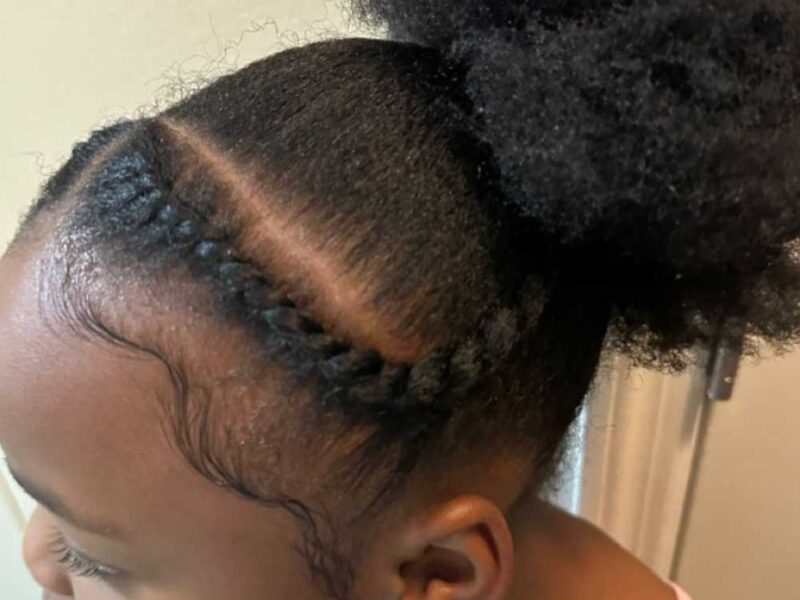
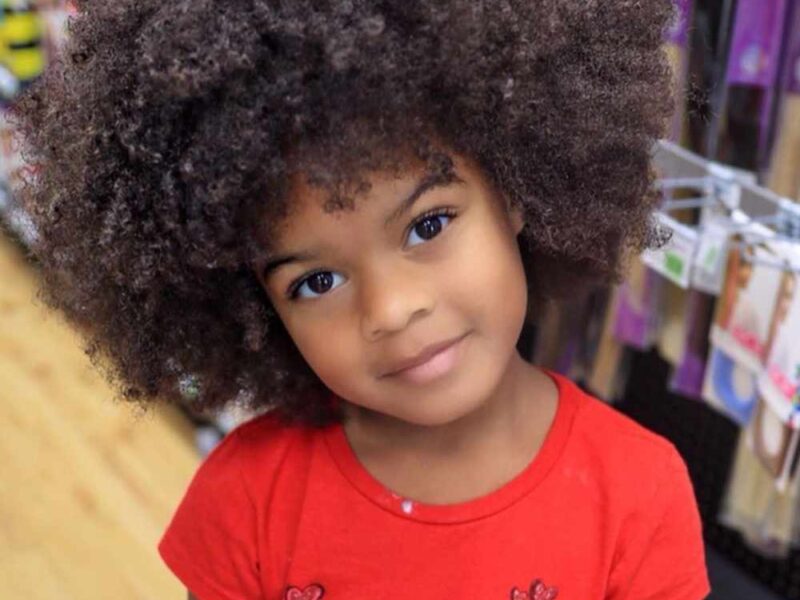
Do you ever get to the end of the week and realise your child’s hair has just been surviving and not actually being taken care of? You moisturized once, maybe twice, wash day got pushed back, and now the hair is dry, tangled, and a little bit of a mess.
If that sounds familiar, you are not alone and you are definitely not a bad mom. You just need a weekly plan that actually works.
We covered daily hair care for kids in the last post on Little Hair Book, and if you have not read it yet, daily hair care for kids is a great place to start before diving into this one. Because the daily and weekly routines work together. One keeps things going between wash days, and the other resets everything and gives the hair a fresh start.
This post is all about the weekly side of things. What to do, when to do it, and how to make it feel less like a whole production and more like something that just fits into your week naturally.
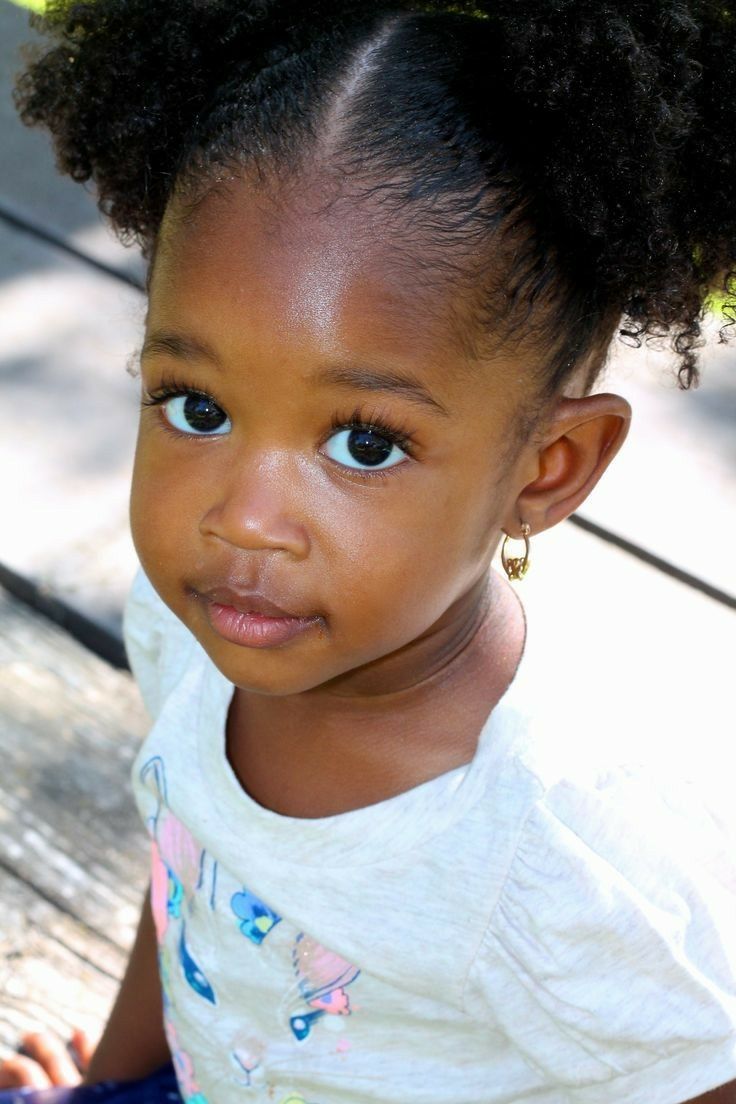
Why Having a Weekly Routine Changes Everything
When there is no plan, wash day becomes this unpredictable, stressful event that no one looks forward to. You are not sure what products to use.
You are not sure if you should detangle before or after washing. Your child is already resistant before you even start because last time it took forever and it hurt.
A weekly routine fixes all of that. When you know exactly what is happening and in what order, everything moves faster and smoother. Your child knows what to expect too, and that alone reduces a lot of the resistance.
Think of the weekly routine as a reset button for your child’s hair. By the end of the week, there is product buildup, sweat, dust, and general life sitting in that hair. The weekly routine clears all of that out and brings the hair back to a clean, moisturized, healthy baseline.
For children with natural hair especially, having a solid weekly structure is not optional. It is what keeps the hair from becoming dry, matted, and hard to manage.
If your child has natural hair and you are looking for more specific guidance, how to care for natural children’s hair on Little Hair Book is exactly what you need alongside this post.

Choosing Your Wash Day
The first thing you need to do is pick a consistent wash day and stick to it. It does not matter which day you choose. What matters is that you choose one and keep it.
A lot of families find that Saturday or Sunday works best because there is more time and less rush. You are not trying to wash, condition, moisturize, and style before a school run. You have space to breathe and take your time.
But if weekends are busy for you, a weekday evening works too. Wednesday works well for some families because it splits the week in half. The hair gets washed midweek and then the protective style carries through to the weekend.
Bookmark this post: Children’s Hair Care Routine
What to Consider When Picking Your Day
Think about your schedule honestly. Pick a day when you genuinely have at least an hour, maybe two if your child has long or very thick hair.
A rushed wash day leads to shortcuts, and shortcuts on wash day usually mean the hair does not get what it needs.
Also think about your child’s schedule. After a long day of school and activities, a child is tired and less cooperative. If you can, schedule wash day for a morning or early afternoon when they still have energy and patience.
Once you pick your day, tell your child. Make it part of the weekly conversation. “Saturday is wash day, remember?” When children know what is coming, they feel more in control and they resist less.
Pin this post: How to Moisturize Children’s Hair

Monday and Tuesday (Starting the Week Right)
After wash day on the weekend, Monday and Tuesday should be the easiest days of the week for hair care. The hair was just washed, moisturized, and styled. It should still be in good shape.
Your job on these days is simply to maintain what you already did.
In the morning, check that the protective style is still intact. Smooth the edges with a soft brush and a little edge control. If any sections look dry, give them a light mist of water and a tiny amount of leave-in conditioner.
Make sure your child goes to bed with their satin bonnet on. This is non-negotiable, especially in the first few days after wash day when you want the moisture to stay locked in as long as possible.
If your child’s hair is in braids or twists, gently massage a light oil into the scalp on Tuesday evening. The scalp can start to feel a little dry and itchy a day or two after washing, and a little oil goes a long way in keeping it comfortable.
You will love this: How to Wash Children’s Hair Properly
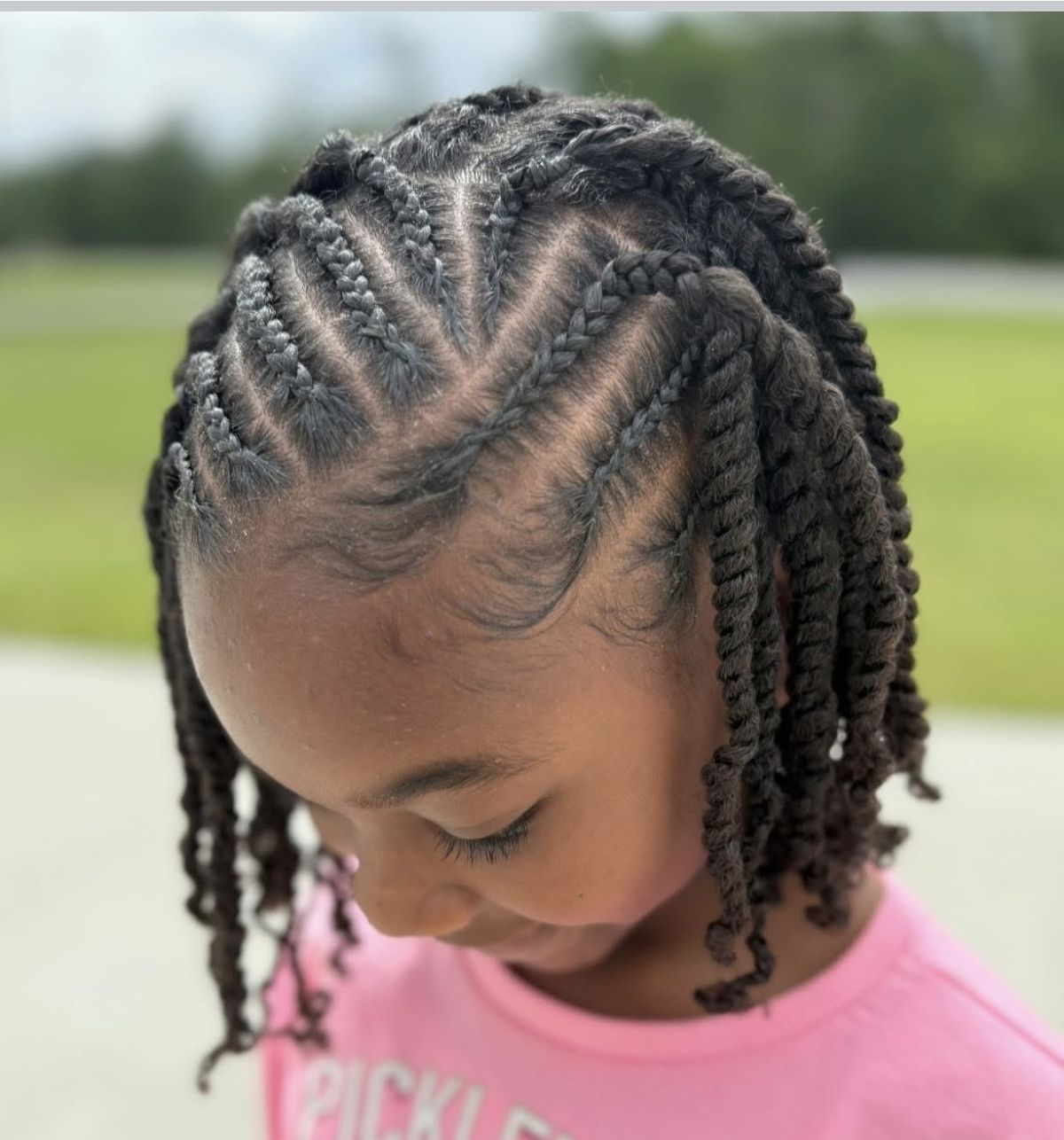
Wednesday (The Midweek Check-In)
By Wednesday, the hair has been through a few days of daily wear. It is time to do a proper midweek check to see how things are holding up.
How to Do a Proper Midweek Check
Sit your child down somewhere comfortable with good lighting. Part the hair in sections and really look at it. You are checking a few things.
First, check the scalp. Is it looking clean? Is there any flaking or buildup along the parts? A little buildup is normal midweek but if there is a lot, it might mean you need to adjust how much product you are using daily.
Second, check the ends of the hair. Even in a protective style, the ends can dry out. If they look rough or feel dry, apply a small amount of hair cream or butter directly to the ends and work it in gently.
Third, check the edges. The edges are the most delicate part of the hair and they are also the most exposed. Make sure they still look healthy and are not showing signs of tension or thinning.
If the hair overall feels dry and dull on Wednesday, do a more thorough moisture refresh. Mist the hair with water, apply your leave-in conditioner, seal with oil, and smooth everything down. This midweek refresh can make the hair feel almost as good as it did right after wash day.
For guidance on how to handle detangling during this midweek check, especially if the hair has picked up tangles, how to detangle children’s hair on Little Hair Book walks you through the whole process gently and clearly.

Thursday (Scalp Care Day)
Thursday is a good day to give the scalp a little extra attention. By this point in the week, the scalp has been producing its natural oils, absorbing products, and dealing with sweat and daily activity.
Giving it some intentional care now prepares it for wash day in a few days.
Apply a nourishing oil directly to the scalp. Part the hair in sections and use a dropper bottle or your fingertips to apply the oil right to the scalp. Massage in circular motions for a few minutes.
This scalp massage does two things. It distributes the oil evenly across the scalp and it stimulates blood circulation. Better circulation means better hair growth over time. It also just feels really good and most children actually enjoy it once they get used to it.
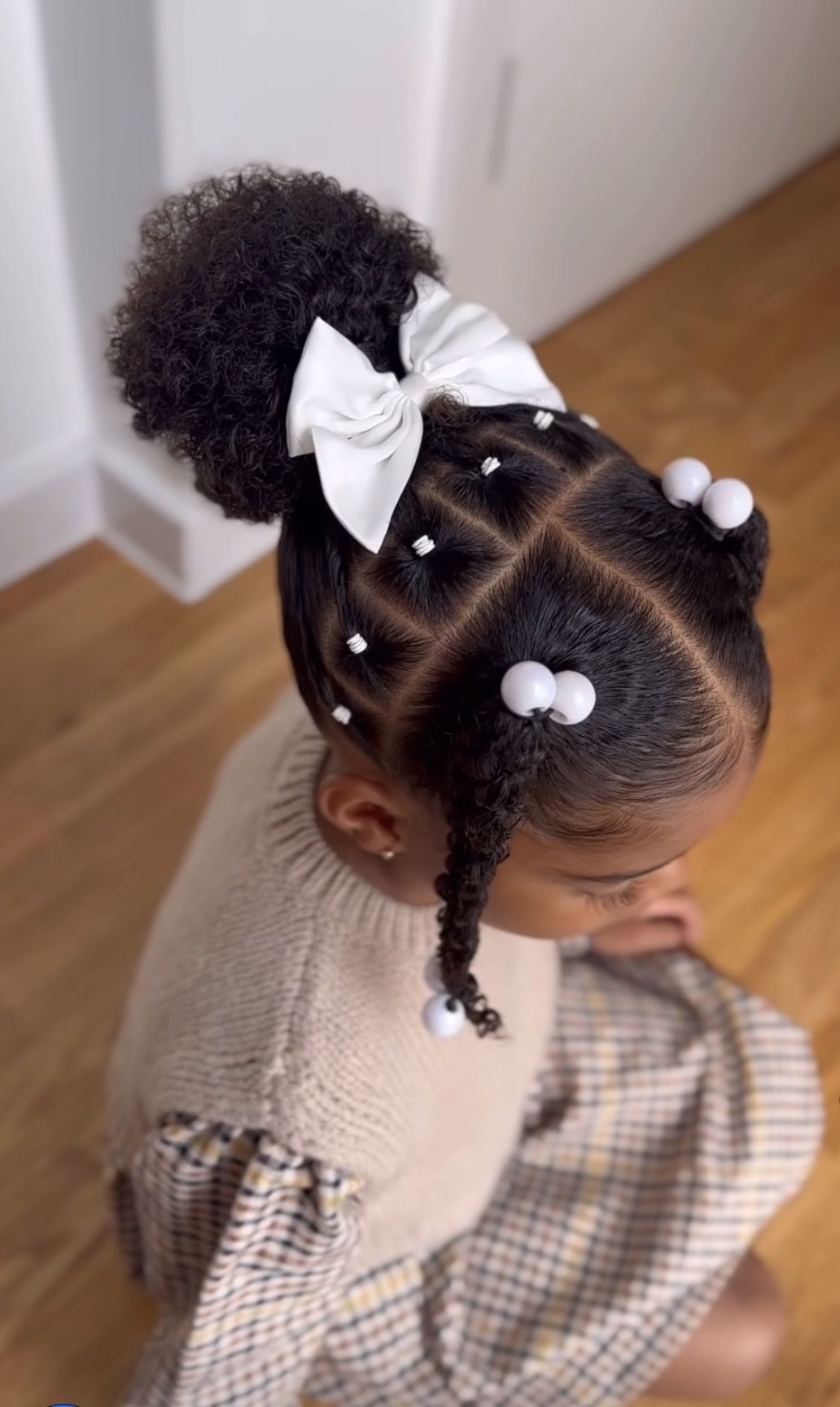
Choosing the Right Oil for Scalp Care
Not all oils work the same way on the scalp. Light oils like jojoba oil and sweet almond oil are great because they absorb quickly and do not leave a heavy greasy feeling. These work well for children with finer hair or a scalp that tends to get oily quickly.
For children with thicker, drier, or natural hair types, slightly heavier oils like coconut oil or a blend of castor oil mixed with a lighter carrier oil work better. Castor oil in particular is popular for scalp care because it supports healthy hair growth and helps with dryness.
Do not go overboard with the amount you use. A little goes a long way. Too much oil on the scalp clogs the follicles and creates buildup that is hard to wash out.
Friday (Pre-Wash Day Prep)
Friday is not wash day but it is the day you prepare for wash day. This step is something a lot of parents skip entirely and it makes wash day so much harder than it needs to be.
The most important thing to do on Friday is detangle the hair while it is still dry. Trying to detangle on wash day after water hits the hair is much harder because water makes tangles tighter.
Detangling the night before means wash day itself goes faster and is much more comfortable for your child.
Start with your fingers. Work through the hair section by section, gently separating any knots with your fingers before bringing in a comb.
Always start from the ends and work your way up to the roots. Never drag a comb from root to tip through tangled hair.
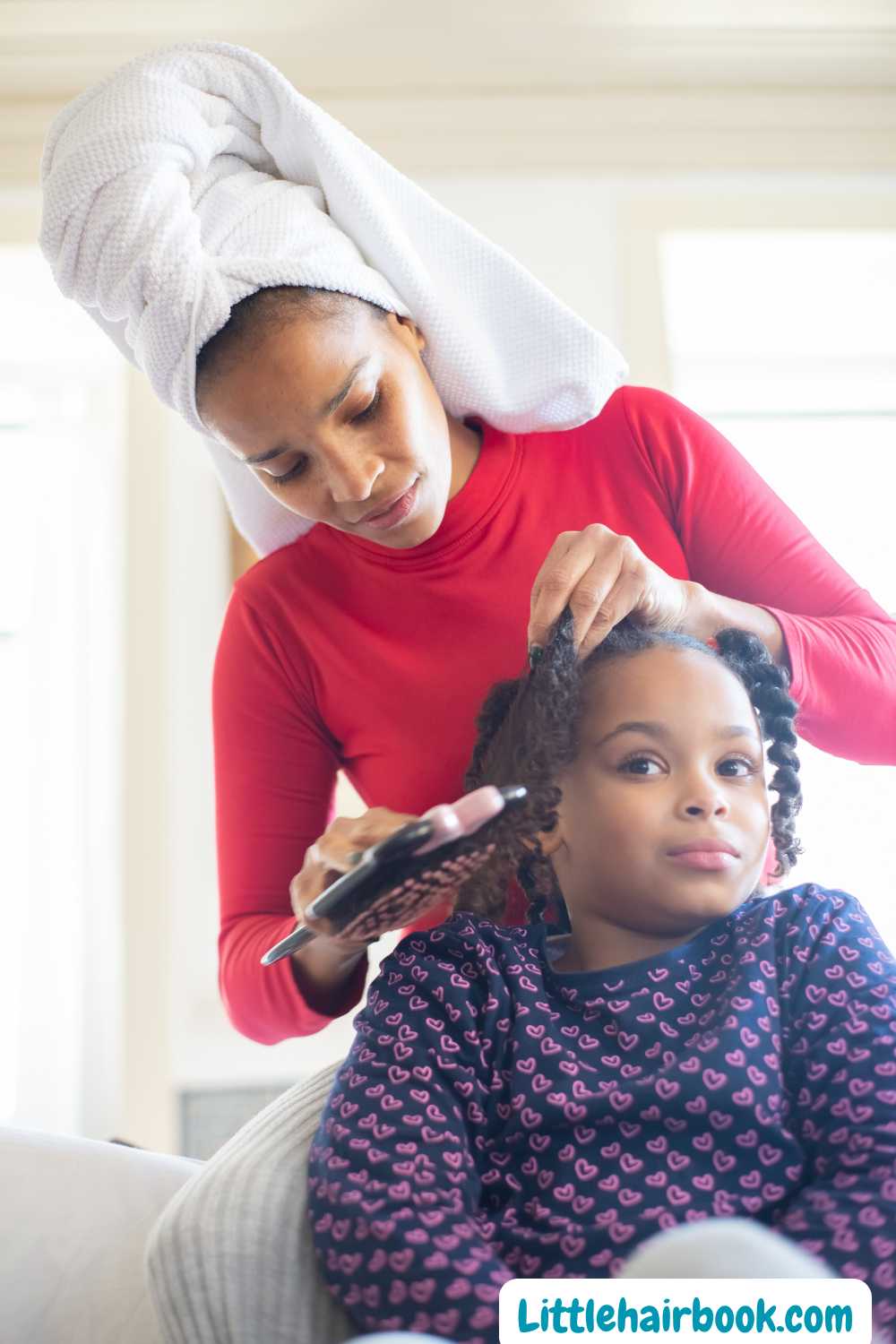
The Pre-Poo Treatment and Why It Helps
After detangling, apply a pre-poo treatment. This is simply an oil or conditioner that you apply to the hair before shampooing. It protects the hair from losing too much moisture during the wash.
Shampoo, even a gentle one, strips some moisture from the hair. The pre-poo treatment creates a protective barrier that reduces how much moisture is lost during that process. Your hair comes out of the wash softer and easier to manage.
Apply coconut oil, olive oil, or a store-bought pre-poo treatment to the hair from ends to roots. Cover with a plastic cap and leave it on overnight or for at least a few hours before washing. Friday night application means the oil has all night to work and Saturday morning wash day starts on a great note.
For more on how to brush and smooth the hair during this Friday prep session, how to brush children’s hair on Little Hair Book has really useful tips on doing it without causing breakage.
Saturday (Wash Day Step by Step)
This is the main event of the week. Everything else you have done from Monday to Friday has been building up to this. When you do all the prep work during the week, wash day itself becomes so much smoother.
Here is how to run a thorough wash day:
Start with the pre-poo still in: If you applied oil the night before, you can go straight into washing without rinsing it out first. The oil will wash out with the shampoo.
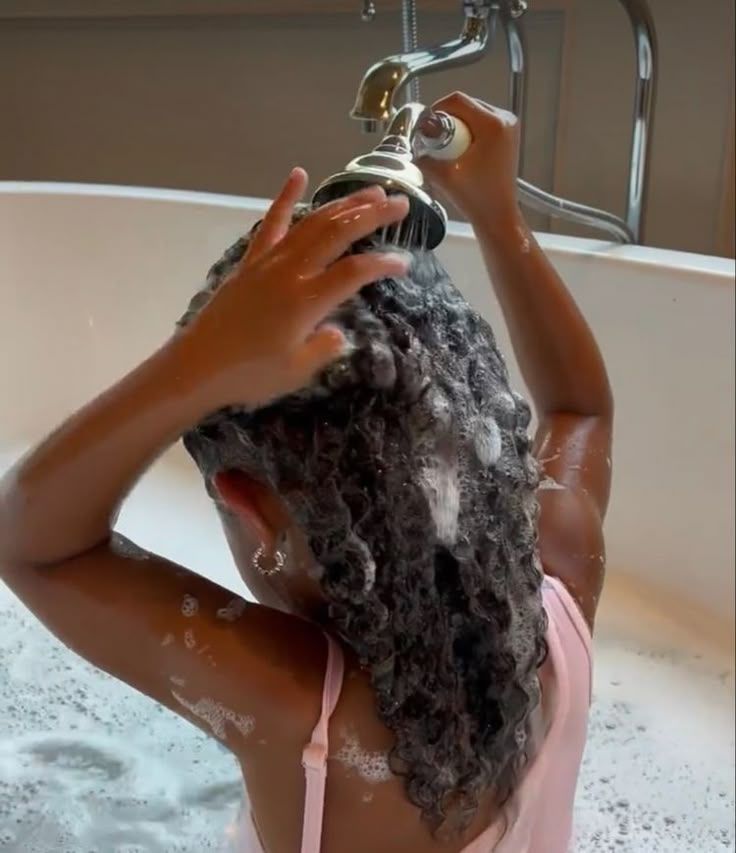
Wash with a gentle sulfate-free shampoo: Apply shampoo directly to the scalp and massage with your fingertips in circular motions. Let it rinse down the length of the hair. Do not scrub the ends aggressively. Rinse thoroughly until the water runs clear.
Deep condition: This is the step that most transforms the hair from week to week. Apply a generous amount of deep conditioner from mid-length to ends.
Put a plastic cap on and leave it for at least fifteen to thirty minutes. The heat from your child’s head helps the conditioner penetrate better. You can also sit them under a hooded dryer if you have one.
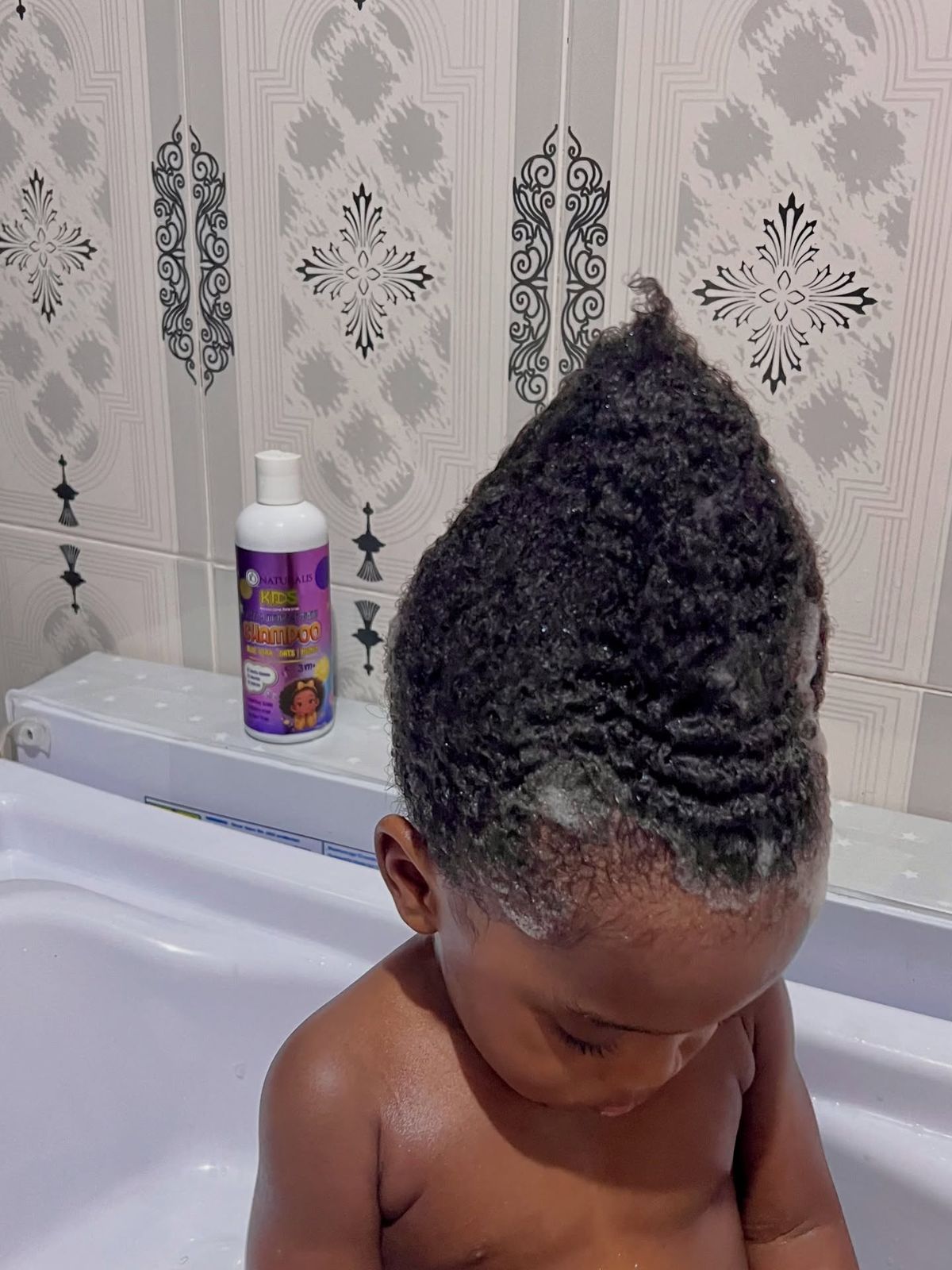
How to Rinse and Follow Up After Deep Conditioning
Rinse the deep conditioner out with cool or lukewarm water. Cool water helps close the hair cuticle which locks in the moisture from the conditioner. Make sure you rinse thoroughly. Leftover conditioner on the scalp causes buildup over time.
After rinsing, gently squeeze out excess water with a soft microfiber towel or an old cotton t-shirt. Do not rub. Just press and squeeze.
Now apply your leave-in conditioner while the hair is still damp. Follow with your oil and then your cream or butter. Work through the hair in sections, making sure every part is covered. Then detangle gently section by section using a wide-tooth comb, starting from the ends.
Once the hair is fully moisturized and detangled, style into a protective style that will carry through the week. Braids, twists, cornrows, or bantu knots all work well. Make sure the style is not too tight, especially around the edges.
If your child has curly hair and you want to make sure you are handling wash day in a way that works specifically for their curl pattern, how to care for curly children’s hair on Little Hair Book covers all the curl-specific details beautifully.
Sunday (Rest and Recovery Day)
Sunday is a rest day for the hair. You did the work yesterday. Today you let the hair just be.
Keep the bonnet on. Let the style settle. Do not touch it too much. If your child’s scalp feels a little dry, add a tiny bit of oil. Otherwise, leave it alone and let the products you applied yesterday do their job.
Use Sunday to restock anything you are running low on. Check your shampoo, your deep conditioner, your leave-in. Running out of products mid-routine is frustrating and it leads to skipping steps. Stay stocked so you are always ready.
Also use Sunday to think about how the week went. Did the hair hold up well? Was the style still intact by Friday? Did the scalp get too dry or too oily? These observations help you tweak the routine week by week until you find exactly what works for your child.

How to Adjust the Routine for Different Hair Types
Fine or Straight Hair
Children with fine or straight hair do not need as much product as children with thicker hair types. Too much product weighs fine hair down and makes it look greasy. For these children, wash day can happen every week and the daily routine can be very light. Focus more on keeping the hair neat and tangle free than on heavy moisturizing.
Thick or Natural Hair
Children with thick, coily, or 4C hair need more moisture and more gentle handling throughout the week. Wash day may happen every one to two weeks rather than every week, because washing too often can strip this hair type of the moisture it needs. The midweek refresh becomes more important and the pre-poo step on Friday is especially helpful.
Curly Hair
Curly hair sits somewhere in between. It needs regular moisture but it also needs to be handled gently so the curl pattern is not disrupted. Wash day once a week works well for most curly hair types. Focus on keeping the curls defined and moisturized between wash days with light daily refreshes.
For children whose hair falls into the curly category, styling and combing needs extra thought. How to comb children’s hair without tears on Little Hair Book is a genuinely helpful read for making sure the combing part of your routine is as gentle as possible.
Making the Weekly Routine Stick
The hardest part of any routine is not learning it. It is keeping it going week after week, especially when life gets busy.
Here are a few things that help make the weekly routine stick long term.
Prepare your products the night before wash day: Have everything sitting out and ready so you are not searching for things while your child is sitting waiting with wet hair.
Set a reminder: Sounds simple but it works. A phone reminder on Friday evening to do the pre-poo treatment means you never skip that step because you simply forgot.
Involve your child: Let them pick the style for the week. Let them choose between two product options. Children who feel like they have a say in their own hair care are so much easier to work with. It also builds their confidence and relationship with their own hair over time.
Track what works: Keep a simple note on your phone about what products you used each week and how the hair responded.
Over time you will start to see patterns. You will know which deep conditioner always gives great results and which oil makes the scalp itch. That knowledge makes every week better than the last.
A weekly routine that you follow consistently, even imperfectly, will always give better results than a perfect routine you only manage once in a while. Keep showing up for your child’s hair every week and the results will speak for themselves.