If you’re a parent, you’ve probably been there. It’s a busy school morning, your child is standing in front of you with tangled hair, and you’re trying to brush it before heading out the door. Within seconds, they’re wincing, pulling away, and telling you it hurts. Sound familiar? Most of us have been there more times than we can count.
Brushing seems like the simplest thing in the world. You pick up a brush and you brush. But there is actually quite a bit more to it than that, and doing it the wrong way consistently causes real damage to your child’s hair over time.
The good news is that once you know what you are doing, brushing becomes one of the quickest and easiest parts of your routine.
We covered detangling in detail in the last post on Little Hair Book, and if you missed it, how to detangle children’s hair is worth reading before this one because detangling and brushing go hand in hand.
Today we are focusing specifically on brushing. The right brushes, the right technique, and how to make it a smooth and painless experience for your child every single time.
Brushing vs Detangling (Understanding the Difference)
A lot of parents use the words brushing and detangling interchangeably. They are actually two different things and they serve different purposes.
Detangling is about removing knots and tangles from the hair. It is done with fingers and a wide-tooth comb and it happens before brushing. Detangling is the prep work.
Brushing is what comes after. It is about smoothing the hair, distributing natural oils from the scalp down the hair shaft, laying the hair flat, and giving it a neat, polished finish. Brushing is the finishing step.
When you try to brush hair that has not been detangled first, the brush snags on every knot and your child feels every single one of them.
That is what causes most of the pain associated with brushing. The fix is simple, always detangle before you brush. Every single time without exception.
Once the hair is detangled and smooth, brushing should be a gentle, almost pleasant experience. If it is still painful after detangling, something else needs to change, and we will get into exactly what that might be.
Save this post: How to Care for Natural Children’s Hair
Choosing the Right Brush for Your Child’s Hair
Why the Wrong Brush Makes Everything Harder
Not all hair brushes are suitable for every child. Choosing the right brush for your child’s hair type can reduce breakage, make styling easier, and keep their hair healthier.
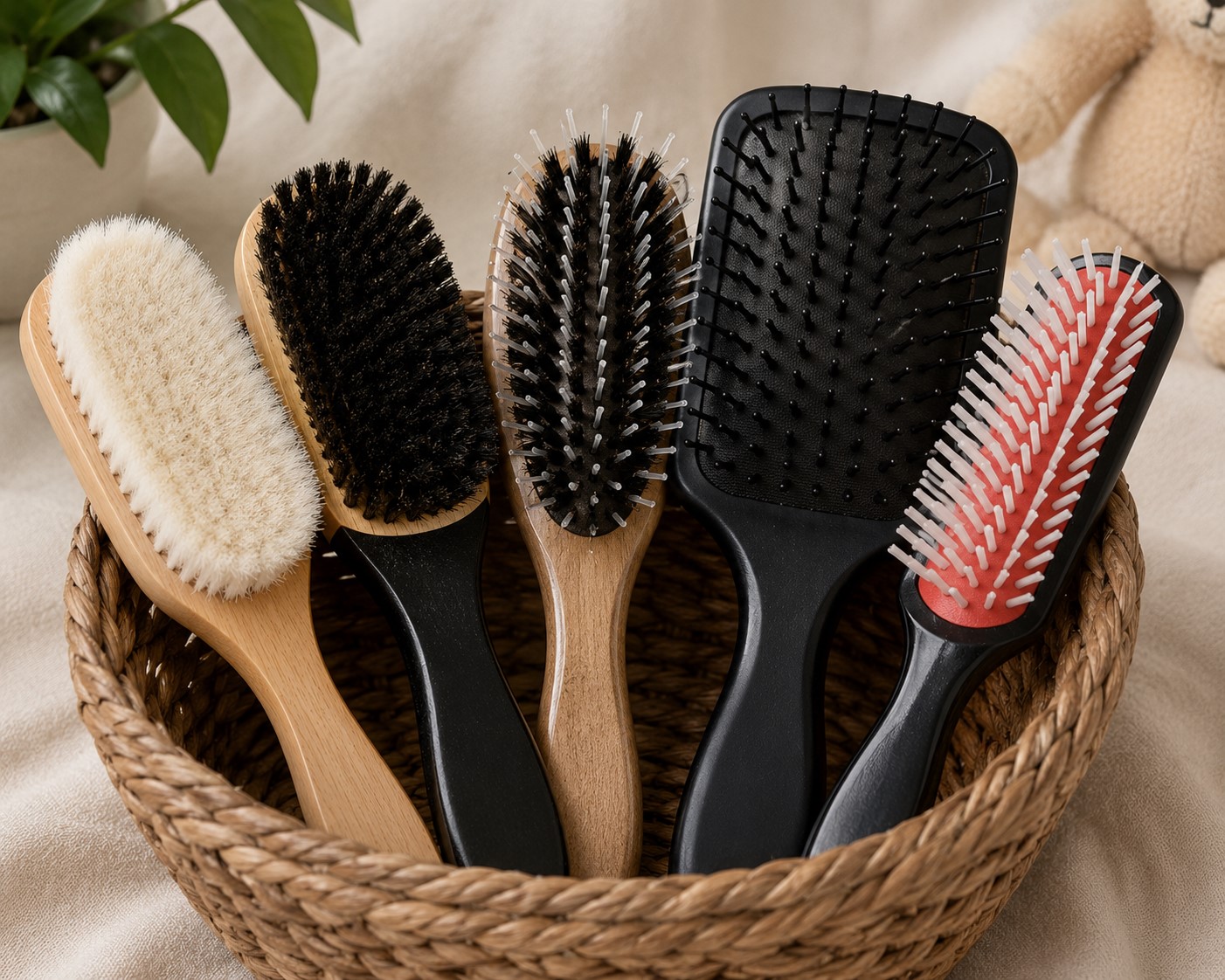
Here’s a quick guide to the most common brush types:
Soft bristle brush: Perfect for babies, toddlers, and children with fine or straight hair. Its gentle bristles smooth the hair without pulling and are great for laying edges.
Boar bristle brush: Best for straight to wavy hair. It spreads the scalp’s natural oils from root to tip, adding shine and helping keep hair moisturized.
Mixed bristle brush: Combines nylon and boar bristles, making it a great choice for wavy or loose curly hair. It detangles while smoothing the hair.
Paddle brush: Ideal for long, straight, or wavy hair. Its wide surface helps brush through large sections quickly but isn’t recommended for tight curls or coily hair.
Denman brush: A favorite for curly and coily hair. It defines curls and smooths strands but should only be used on wet or damp hair with conditioner or styling products to avoid breakage.
For children with thick natural or 4C hair, daily brushing isn’t always necessary. Finger detangling or using a wide-tooth comb is often a gentler option.
A soft bristle brush can still be used to smooth the edges, but repeatedly brushing through tight coils may cause unnecessary breakage.
You will love this: Daily Hair Care for Kids
How to Brush Your Child’s Hair Without Causing Pain
Now that you have the right brush, here is how to actually use it correctly.
Start with detangled hair: We said this already but it is worth repeating. Do not pick up a brush until the hair is already detangled.
If there are any remaining knots after combing, go back to your wide-tooth comb and work them out before bringing in the brush.
Make sure the hair is slightly damp: Brushing completely dry hair, especially for curly or natural hair types, causes frizz and breakage.
Lightly mist the hair with water before brushing. Just enough to dampen it slightly. This gives the brush something to glide through rather than dragging over dry strands.
Work in sections: Divide the hair into manageable sections, especially if it is thick. Trying to brush all the hair at once leads to missing sections and causing pain in areas that are more tangled than they look.
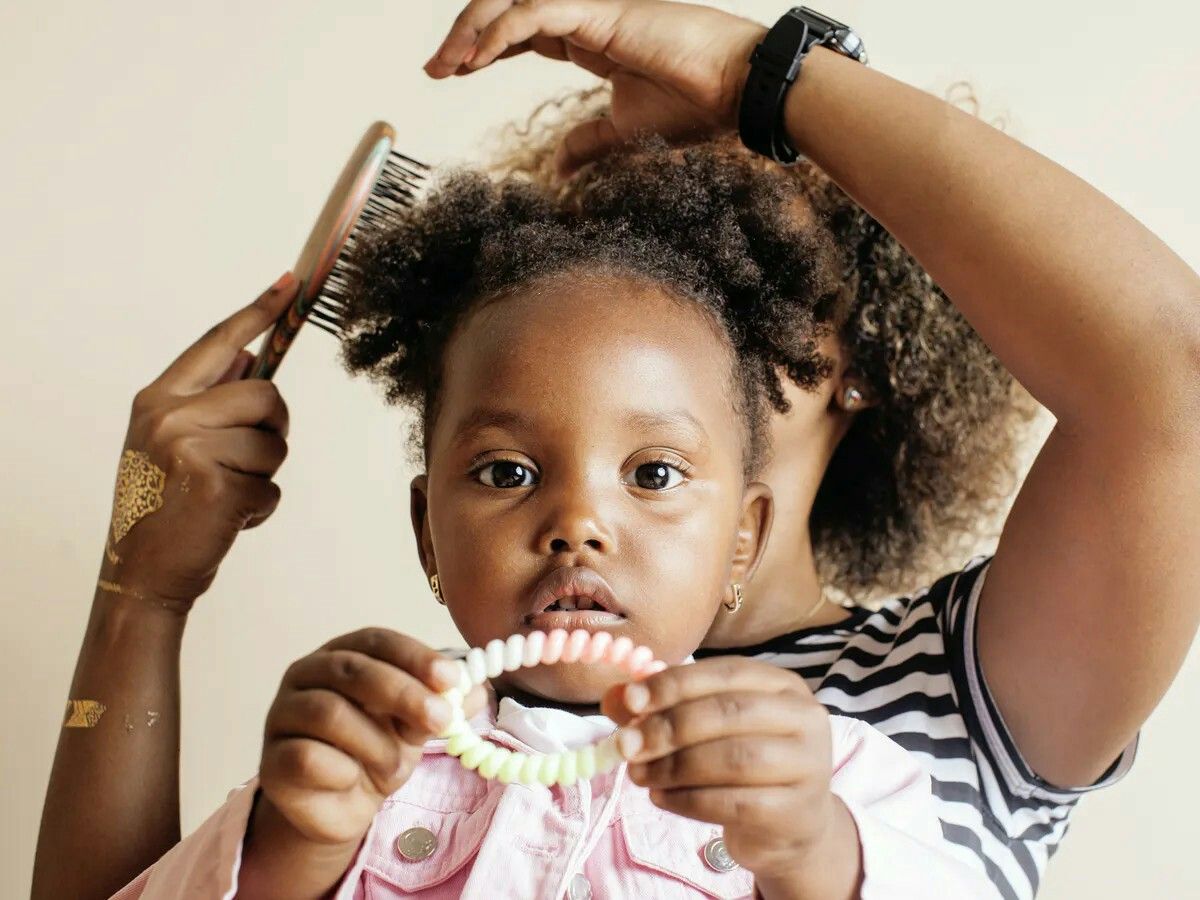
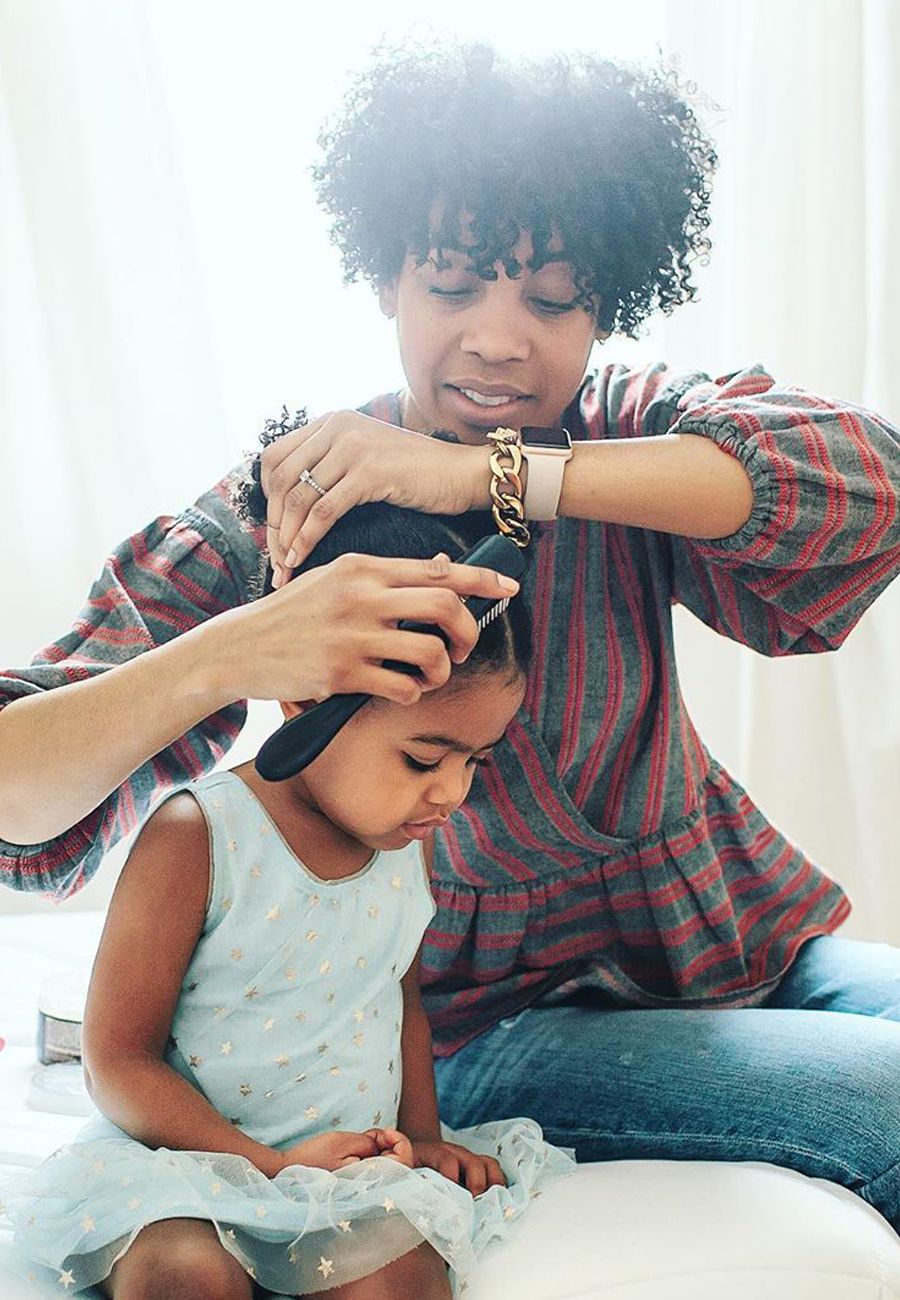
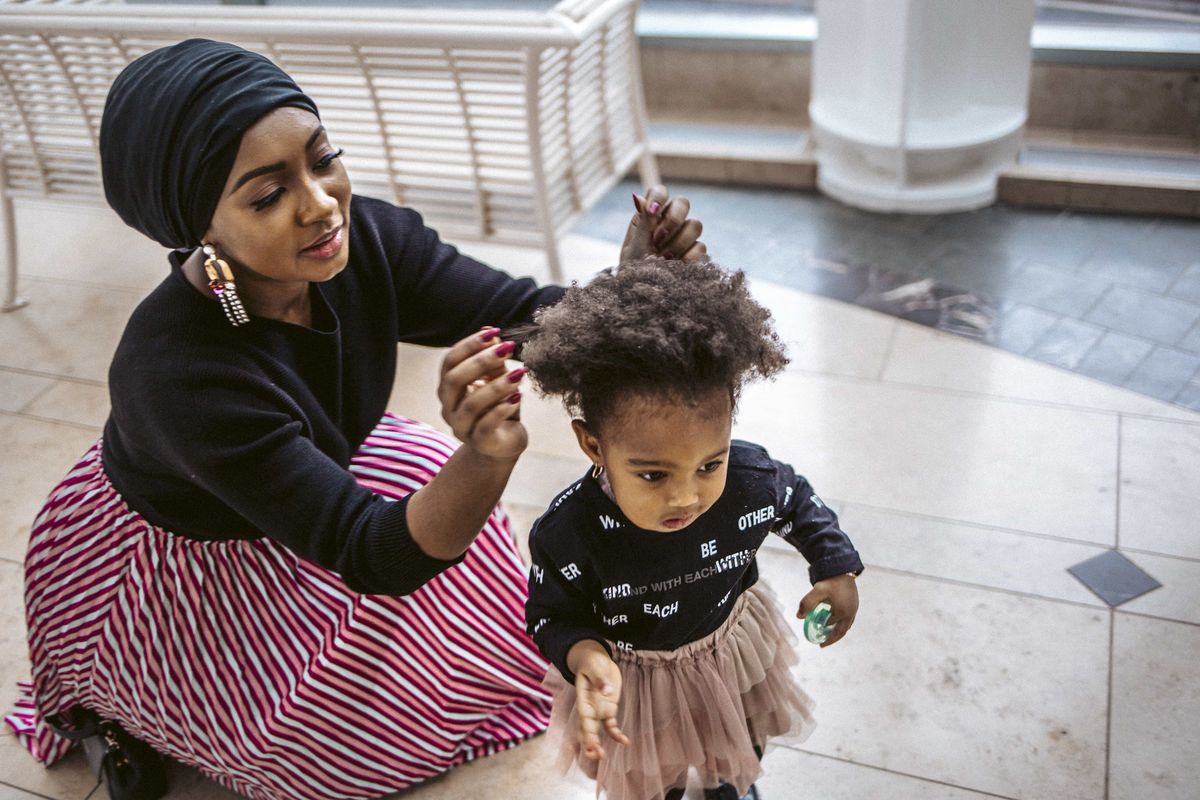
Hold the hair as you brush: This is the most important technique tip. Use one hand to hold the hair just above where you are brushing.
This prevents the pulling sensation from reaching the scalp. Your child will immediately feel the difference. Instead of feeling a tug at their roots with every stroke, they feel almost nothing.
Use gentle, short strokes. Do not drag the brush from root to tip in one long stroke. Start near the ends and use short downward strokes to smooth the hair.
Gradually work your way up toward the roots as the hair gets smoother. Think of it as the same principle as detangling. Bottom up, never top down.
How to Brush Different Hair Types
Straight and Wavy Hair
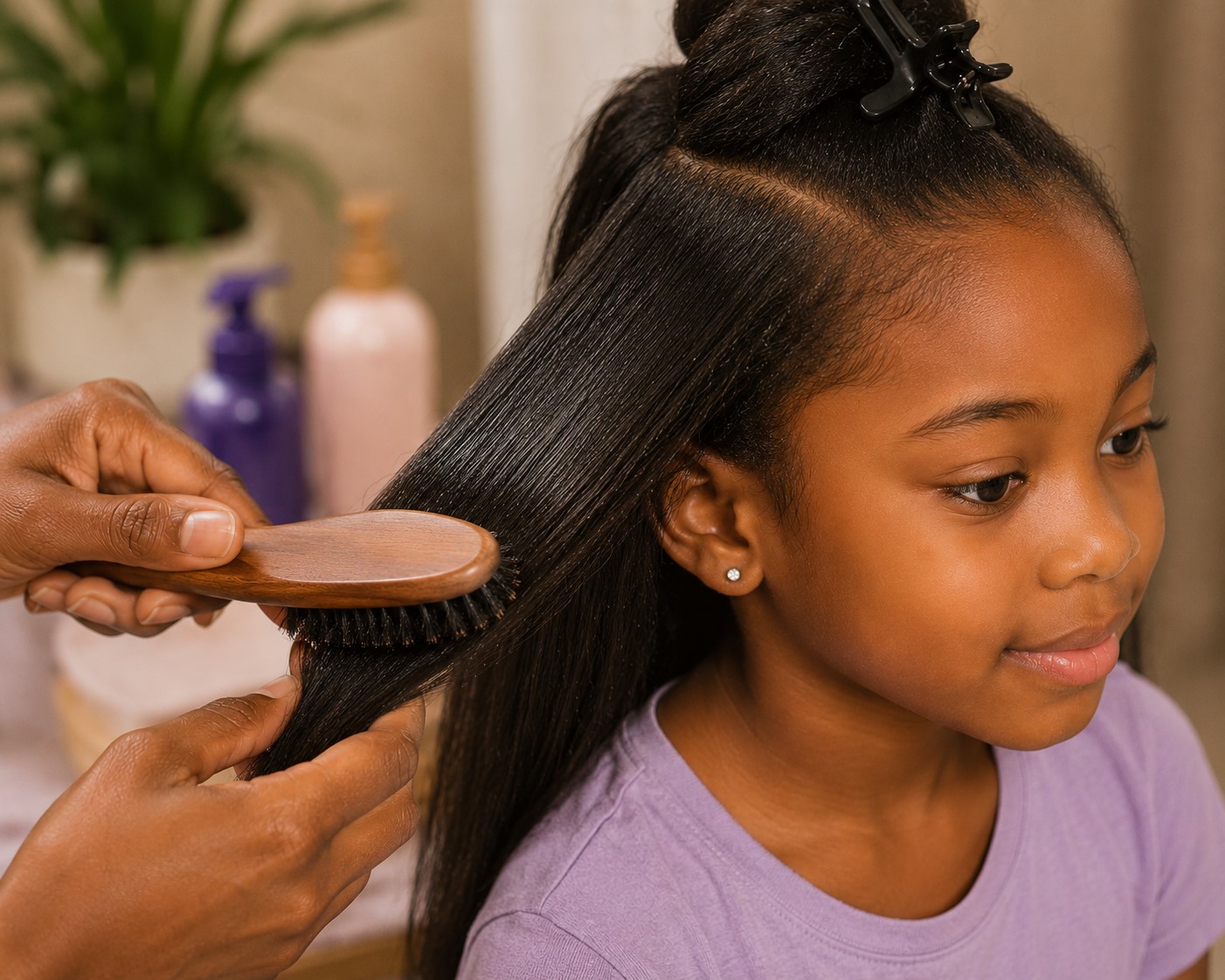
For children with straight or wavy hair, brushing is fairly straightforward once the hair is detangled. A soft bristle or boar bristle brush works well.
Brush from ends to roots in smooth strokes, the hair should feel smooth and look shiny when you are done.
These hair types can be brushed daily without too much risk of damage, as long as the technique is gentle and the hair is slightly damp.
Brushing distributes the scalp’s natural oils well for straight hair, which keeps it looking healthy between washes.
One thing to watch for with straight hair is over-brushing. Brushing the same section over and over causes friction that weakens the hair over time.
A few smooth strokes through each section is enough. You do not need to brush the hair a hundred times to get a good result.
Pin this post: Weekly Hair Care Routine for Children
Curly Hair
Curly hair needs a much more careful approach to brushing. The curl pattern makes this hair type more fragile and more prone to frizz when brushed the wrong way.
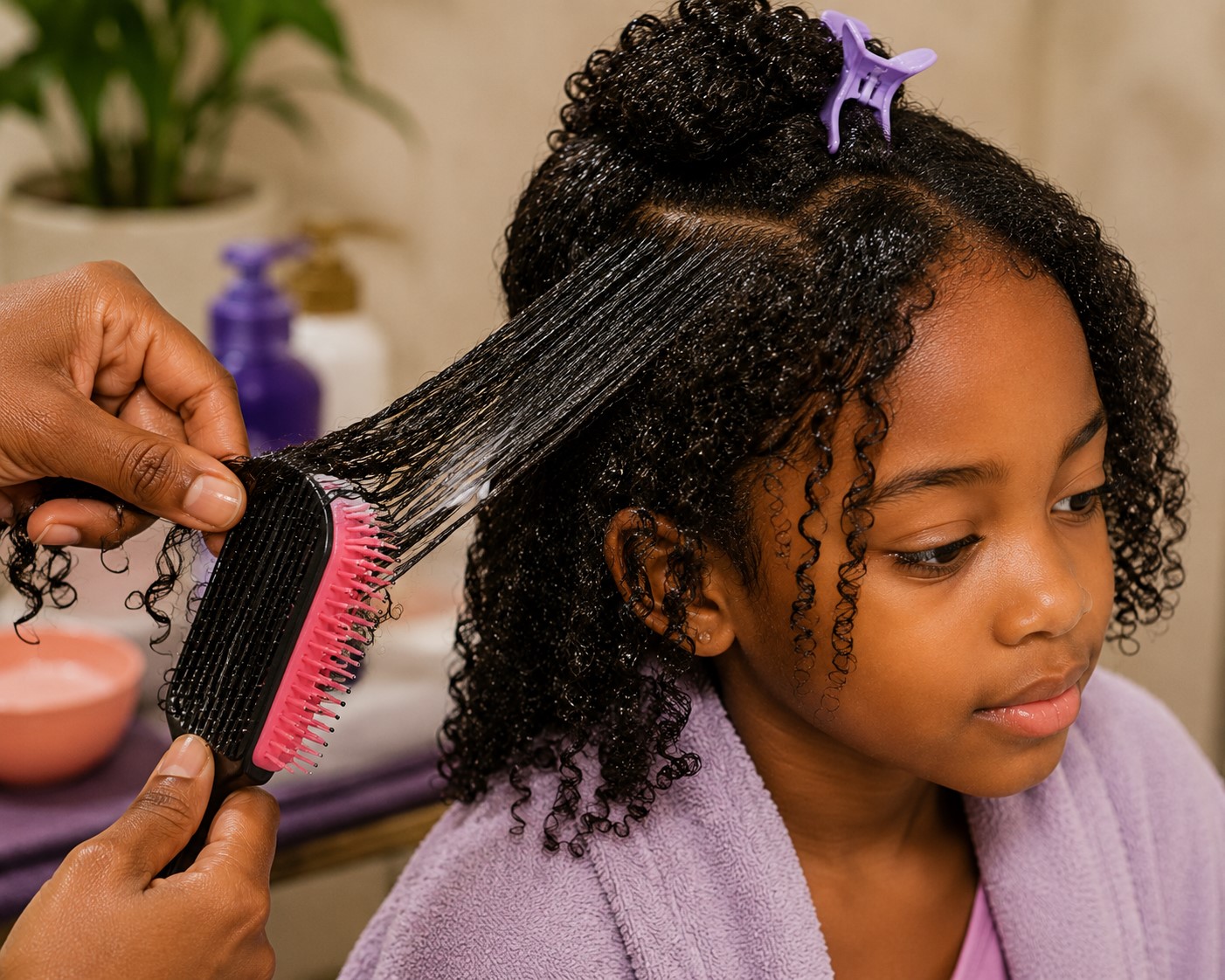
For curly hair, only brush when the hair is wet and loaded with conditioner or leave-in conditioner. This provides enough slip for the brush to move through the curls without disrupting them too much. A Denman brush or a mixed bristle brush works best here.
Brushing dry curly hair causes frizz and breaks up the curl pattern, leaving the hair looking fluffy and undefined rather than bouncy and curly. Save the brushing for wash day when the hair is wet and conditioned.
For tips on how to care for your child’s curls beyond just the brushing stage, how to care for curly children’s hair on Little Hair Book gives you a full picture of what curly hair needs to thrive.
Natural and Coily Hair
As mentioned earlier, brushing through the length of very tight natural or 4C hair is not something that needs to happen daily.
The hair is simply too fragile and too prone to breakage when a brush is run through it regularly.
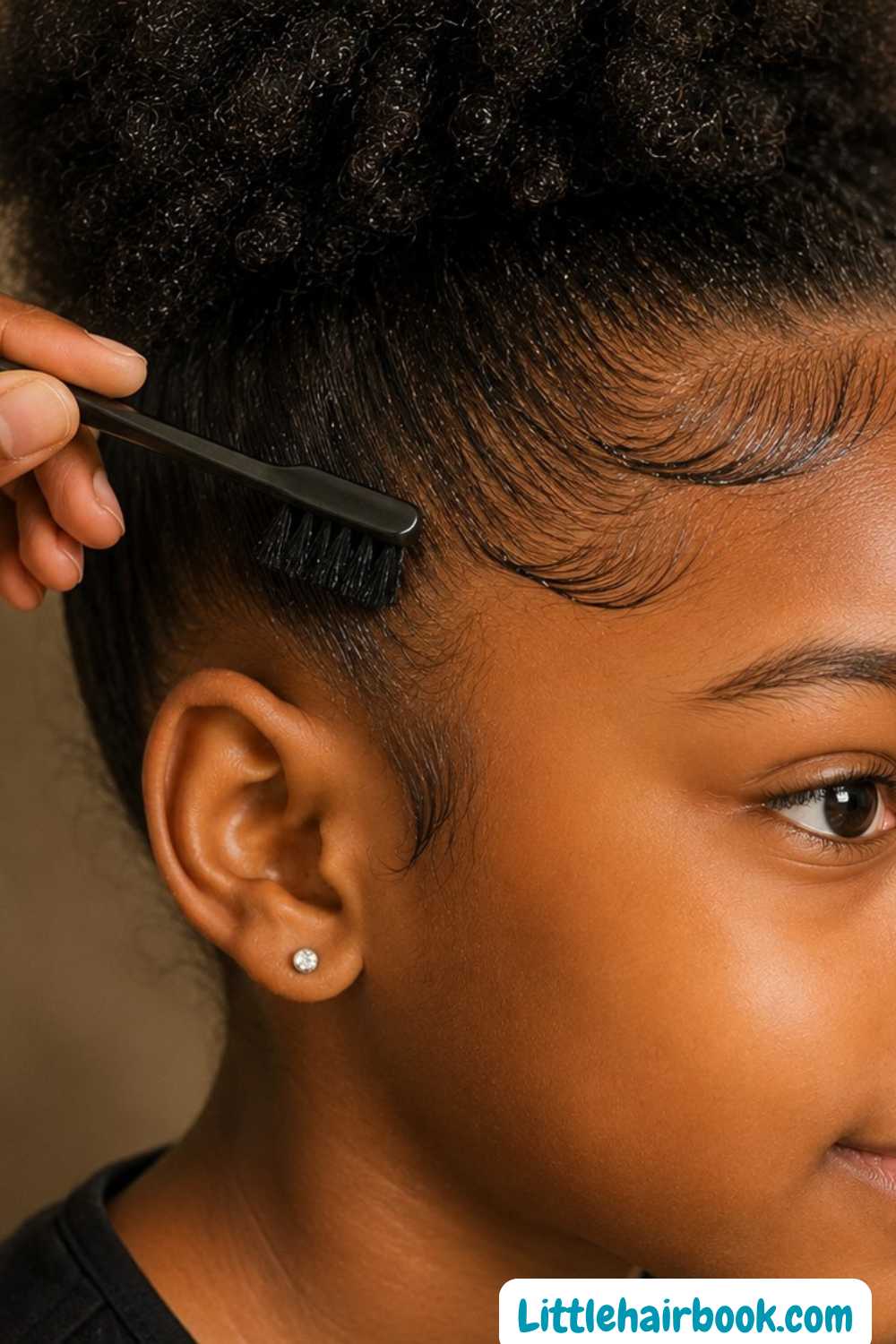
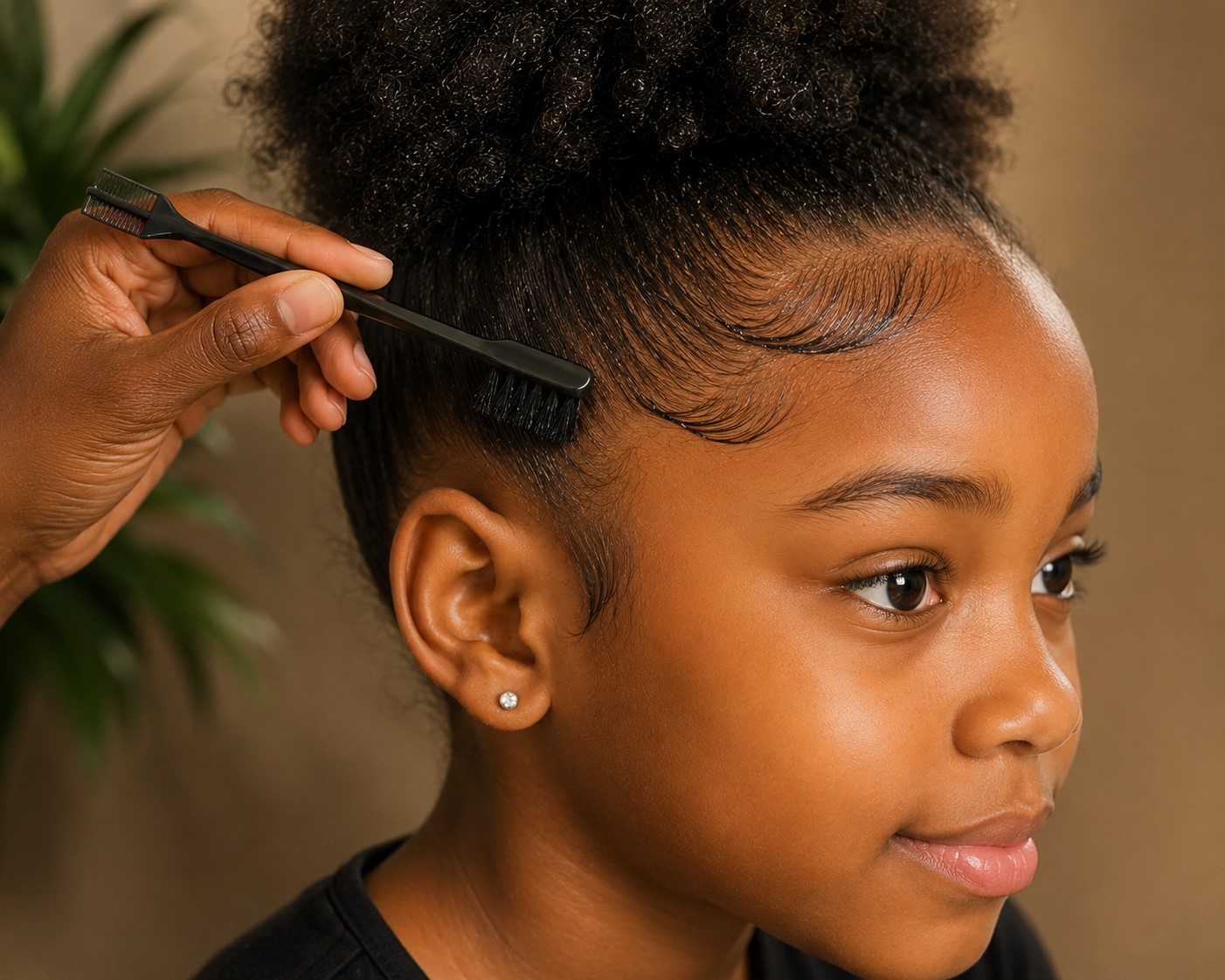
What brushing does apply to for natural hair is the edges. A soft bristle brush is perfect for laying down the edges, smoothing the hairline, and keeping the perimeter of any protective style looking neat and polished.
A little edge control or water applied to the edges before brushing makes the process even smoother.
Use light circular motions with the soft bristle brush to lay the edges down without pulling or putting too much tension on the hairline.
Save this post: How to Moisturize Children’s Hair
How Often Should You Brush Your Child’s Hair
The right brushing frequency depends entirely on hair type.
For straight and wavy hair, daily brushing is fine and can actually be beneficial because it helps distribute natural oils and keeps the hair smooth and tangle-free.
For curly hair, limit brushing to wash day when the hair is wet and conditioned. On other days, use your fingers or a wide-tooth comb for any necessary styling.
For natural and coily hair, use a soft bristle brush on the edges as needed throughout the week. Full brushing through the length of the hair is not necessary and can be harmful if done daily.
If you are still building out your full hair care schedule and trying to figure out where brushing fits in alongside everything else, children’s hair care routine on Little Hair Book maps out how all these steps fit together across the week.
Common Brushing Mistakes to Avoid
Even parents who have been doing this for years can fall into habits that are quietly damaging their child’s hair. Here are the most common brushing mistakes and how to fix them.
Brushing from root to tip: We have covered this but it cannot be said enough. Root to tip pushes tangles toward the ends and causes pain and breakage. Always work from ends to roots with short gentle strokes.
Using the wrong brush for the hair type: A paddle brush on 4C hair. A firm nylon brush on fine baby hair. These combinations cause pain and damage. Match your brush to your child’s hair type every time.
Brushing completely dry hair: Dry brushing causes friction, frizz, and breakage. Always add a little moisture before brushing, whether that is a light mist of water or a small amount of leave-in conditioner.
Brushing too hard: The brush should never be pressed into the scalp with force. Let the weight of the brush do the work. Your job is to guide it gently, not to scrub with it.
Using a dirty brush: Product buildup, old hair, and dust collect in the bristles of a brush over time. That buildup gets transferred back onto your child’s clean hair every time you brush.
Clean your child’s brush at least once a week by removing trapped hair and washing the bristles with a little shampoo and warm water.
Skipping the holding technique: Not holding the hair above where you are brushing is one of the biggest causes of brushing pain. Make it a habit every single time. It takes one extra second and makes a world of difference to your child.
Making Brushing a Positive Experience
Small Changes That Make a Big Difference
The way you approach brushing emotionally is just as important as your technique. Children who have had painful brushing experiences in the past come into every session already anticipating pain. You have to actively work to change that association.
Start by being honest with your child. Tell them you are going to brush gently and that you want them to tell you if anything hurts. Then actually stop and adjust when they do.
Children who feel heard during hair care are so much more cooperative than children who feel like their pain is being ignored.
Keep sessions short in the beginning. Even if the hair is not perfectly smooth by the end, a short gentle session that ends positively does more for your long-term relationship with your child’s hair than a thorough session that ends in tears.
Celebrate the small wins. “Look how smooth your hair looks.” “You were so patient today.” “Your edges look so neat.” These comments cost you nothing but they mean everything to a child who is learning to feel good about their hair.
As you keep working on making styling sessions more positive, the next step is thinking about how you use a comb alongside your brush.
The two tools work together and knowing how to comb properly completes the picture. How to comb children’s hair without tears on Little Hair Book walks you through all of it in just as much detail as we have covered brushing here today.
Caring for Your Brushes
Good brushes are an investment and taking care of them means they last longer and work better. Here is how to keep your brushes in good shape.
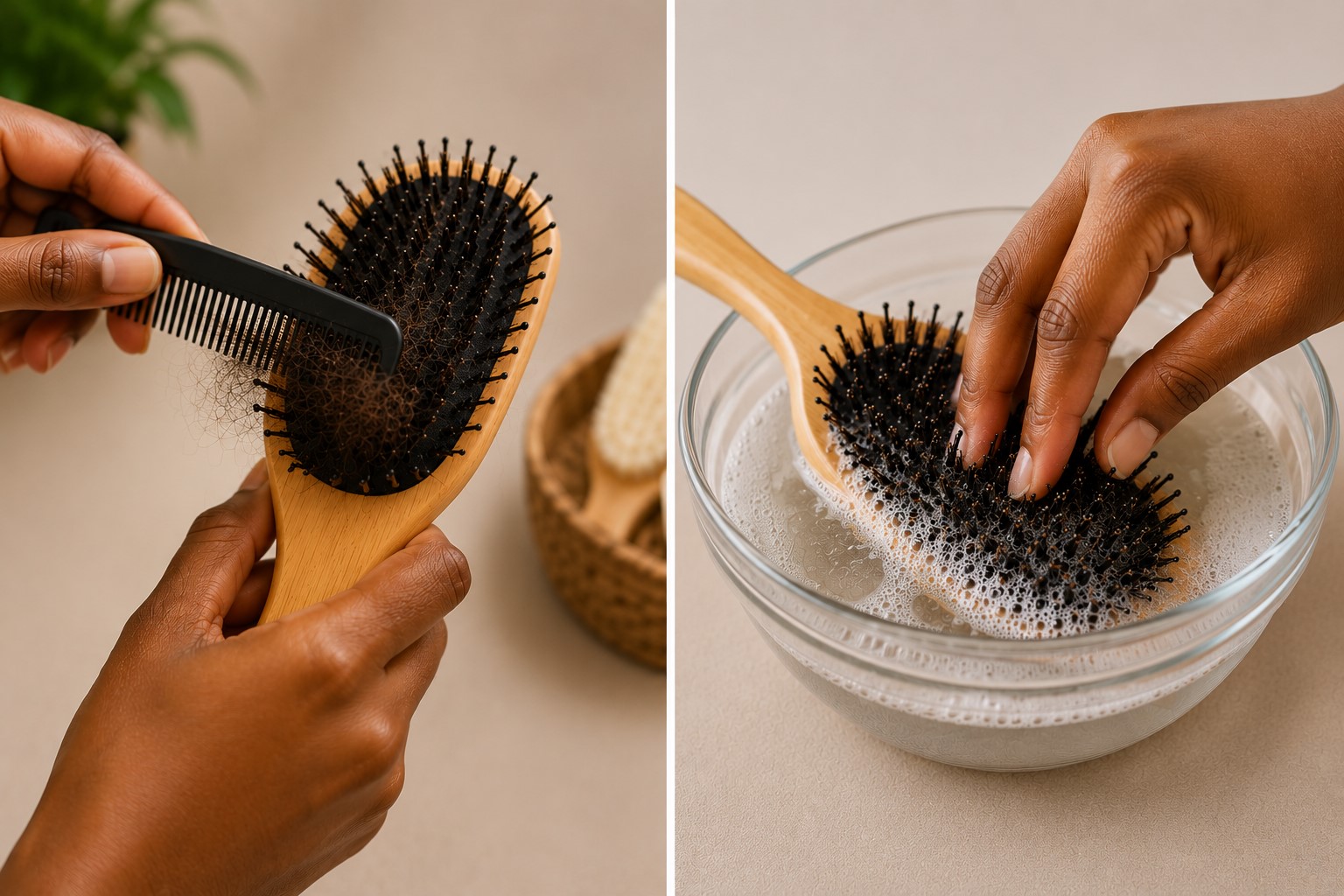
Remove trapped hair from the bristles after every use. Use a fine-tooth comb or a brush cleaning tool to pull the hair out from between the bristles. This only takes about thirty seconds and prevents buildup from accumulating.
Wash the brush once a week. Fill a bowl with warm water and a small amount of shampoo. Dip the bristles into the water and gently work the shampoo through them with your fingers. Rinse well and lay the brush bristle-side down on a clean towel to dry.
Replace brushes when the bristles start to bend, splay out, or break. A brush with damaged bristles does not work properly and can scratch the scalp.
Most good quality children’s brushes last between six months and a year with proper care.
Store brushes bristle-side up or in a brush holder. Leaving them bristle-side down on a surface bends the bristles over time and shortens the life of the brush.
See what is trending right now: How to Wash Children’s Hair Properly
Final Thoughts on Brushing
Brushing is one of those things that seems too simple to matter much. But done correctly and consistently, it makes a real difference in how your child’s hair looks and feels every single day.
The right brush for the right hair type. Damp hair before you start. Short gentle strokes from ends to roots. One hand always holding the hair above where you are working.
These four things alone will transform your brushing sessions from something your child dreads into something they barely notice.
Keep showing up gently and consistently. Your child’s hair will reflect that care in ways that become more and more visible over time. And so will your child’s confidence in their own hair.