Natural hair and school mornings have a reputation for being complicated. And honestly, that reputation is not entirely undeserved. Natural hair, especially type 4 hair, requires more thought, more product, and more technique than most other hair types. But here is what most parents do not realise until they are further into their natural hair journey. Once you understand what natural hair needs and how to work with it rather than against it, school styling becomes so much simpler than it initially appears.
The styles in this post are specifically chosen because they work with natural hair’s texture, volume, and coil pattern rather than fighting against it. None of them require excessive manipulation. None of them need heat. All of them keep the hair protected while looking neat and intentional for school.
We just covered curly hair styles in the last post on Little Hair Book and if you missed it, cute back-to-school hairstyles for girls with curly hair covers styles for looser curl types beautifully. Today we are focusing on natural hair specifically, type 3C through type 4C, and the styles that truly work for those textures at school.
Preparing Natural Hair for School Styles
Natural hair needs thorough preparation before any school style goes in. Rushing this step leads to styles that do not last, hair that is dry underneath, and detangling nightmares when the style comes down.
Always start with freshly washed and deep conditioned hair when installing any style meant to last multiple days. The deep conditioning step is especially important for natural hair going into a school protective style. The moisture sealed in during deep conditioning is what the hair lives on while the style is worn.
After washing, apply your full moisturizing routine. Leave-in conditioner on damp hair, followed by oil, followed by a cream or butter for type 4 hair. Make sure the hair is genuinely moisturized from root to tip before any styling product or technique is applied.
Stretch the hair slightly before styling if the natural shrinkage makes the style difficult to achieve. You can stretch natural hair without heat by banding it with soft scrunchies after washing, braiding it loosely while damp, or simply allowing it to air dry in a stretched state. Stretched natural hair is easier to part, easier to section, and easier to braid or twist neatly.
Detangle completely before starting any style. Work section by section on damp conditioned hair using fingers first and then a wide-tooth comb. Never style over tangles in natural hair. For a full detangling guide specific to natural hair, how to detangle children’s hair on Little Hair Book covers the right technique and tools in detail.
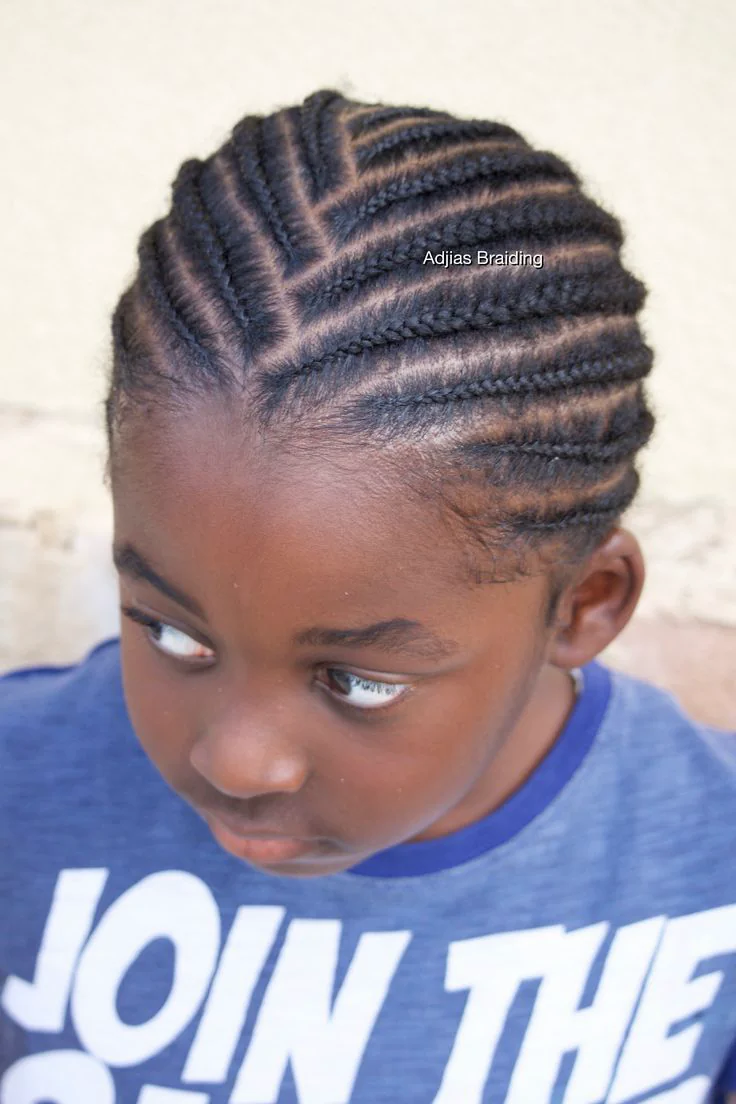
1. Straight Back Cornrows
Straight back cornrows are the most classic and most practical natural hair school style available. They sit flat against the scalp, stay neat through every school activity, and last the full week with minimal maintenance.
What they look like: Neat rows of cornrows running straight from the front hairline to the nape of the neck, lying flat against the scalp throughout.
How to do them: Part the hair into even rows from front to back using a rat tail comb. Moisturize each section before beginning. Starting at the front of each row, cornrow the hair flat against the scalp picking up new sections of hair as you move backward. Keep the tension even and comfortable throughout. Secure the end of each cornrow with a small elastic. Smooth the edges.
Why they work for natural hair: Straight back cornrows completely contain natural hair for the full school week. The hair experiences almost no friction or manipulation from Monday through Friday. The ends are protected inside the cornrows. The scalp stays accessible for oiling between wash days.
How to maintain them: Each morning, apply a small amount of oil to the scalp along each cornrow part. Smooth the edges with edge control and a soft bristle brush. At night, cover with a satin bonnet. The cornrows stay looking freshly done for five to seven days with this simple maintenance.
Bookmark this post: school hairstyles that help prevent hair breakage
2. Ghana Braids
Ghana braids, also called feed-in braids, are a more modern and hairline-friendly version of traditional cornrows. They create a thicker, more dramatic look while being significantly gentler on the hairline than traditional cornrows.
What they look like: Thick cornrows that start very thin at the hairline and gradually get thicker as more hair is added along the row. The result is a braid that appears to grow naturally from the scalp with no visible heavy root.
How to do them: Start each row with just a tiny section of hair at the hairline, much less than you would use for a traditional cornrow. As you move backward along the row, gradually add larger sections of hair. This gradual addition creates the feed-in effect and distributes the tension much more evenly than starting with a full section at the root.
Why they work for natural hair: The feed-in technique puts significantly less tension on the hairline and edges than traditional cornrows. For natural hair children whose edges are delicate or prone to traction stress, Ghana braids are one of the most protective and gentle cornrow variations available. They also last the full school week with the same simple maintenance as traditional cornrows.
3. Natural Hair Puff Ponytail
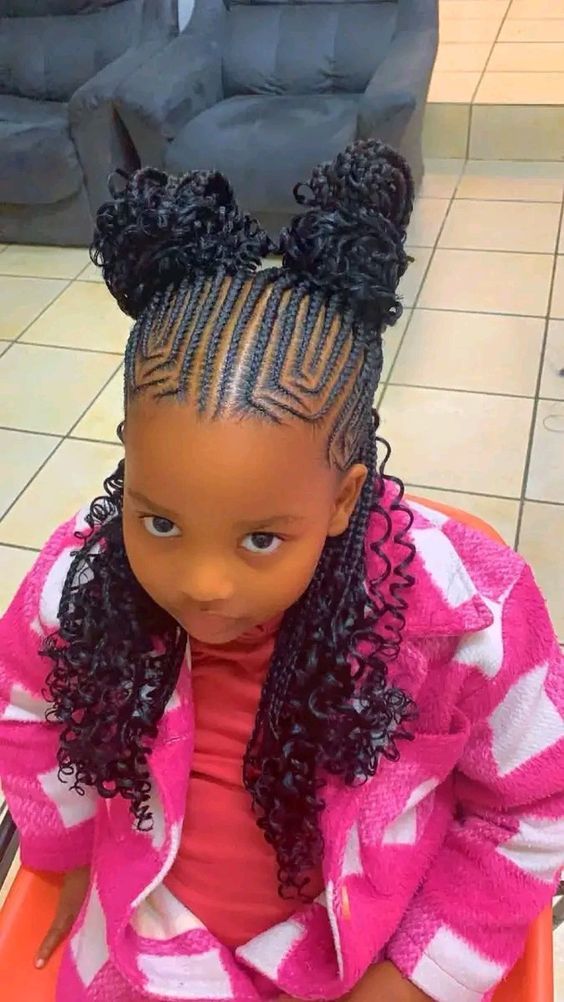
A puff ponytail on natural hair looks absolutely beautiful and showcases the natural volume and texture of the hair in a way that is practical and neat for school.
What it looks like: Natural type 4 hair gathered into a ponytail or puff that showcases the full, voluminous texture of the hair. Unlike a curly puff which has defined curl clumps, a natural hair puff has a rounder, fuller, more undefined texture that is equally beautiful.
How to do it: Moisturize the hair thoroughly and apply a leave-in conditioner. Smooth the edges with edge control. Gather all the hair upward toward the crown using your hands. The key for natural hair is to smooth from underneath rather than on top to avoid disrupting the texture. Secure with a large soft scrunchie or a hair tie that is strong enough to hold the density of natural hair without snapping.
Why it works for natural hair: The natural texture and volume of type 4 hair creates a puff that looks full and rounded with minimal effort. The denser the hair, the more impressive the puff. This style also keeps all the natural hair completely off the face and neck throughout the school day.
How long it lasts: A natural hair puff lasts one to two days before needing a refresh. Refresh by misting with water, applying a small amount of cream, re-smoothing the edges, and resecuring the scrunchie.

4. Two Strand Twists
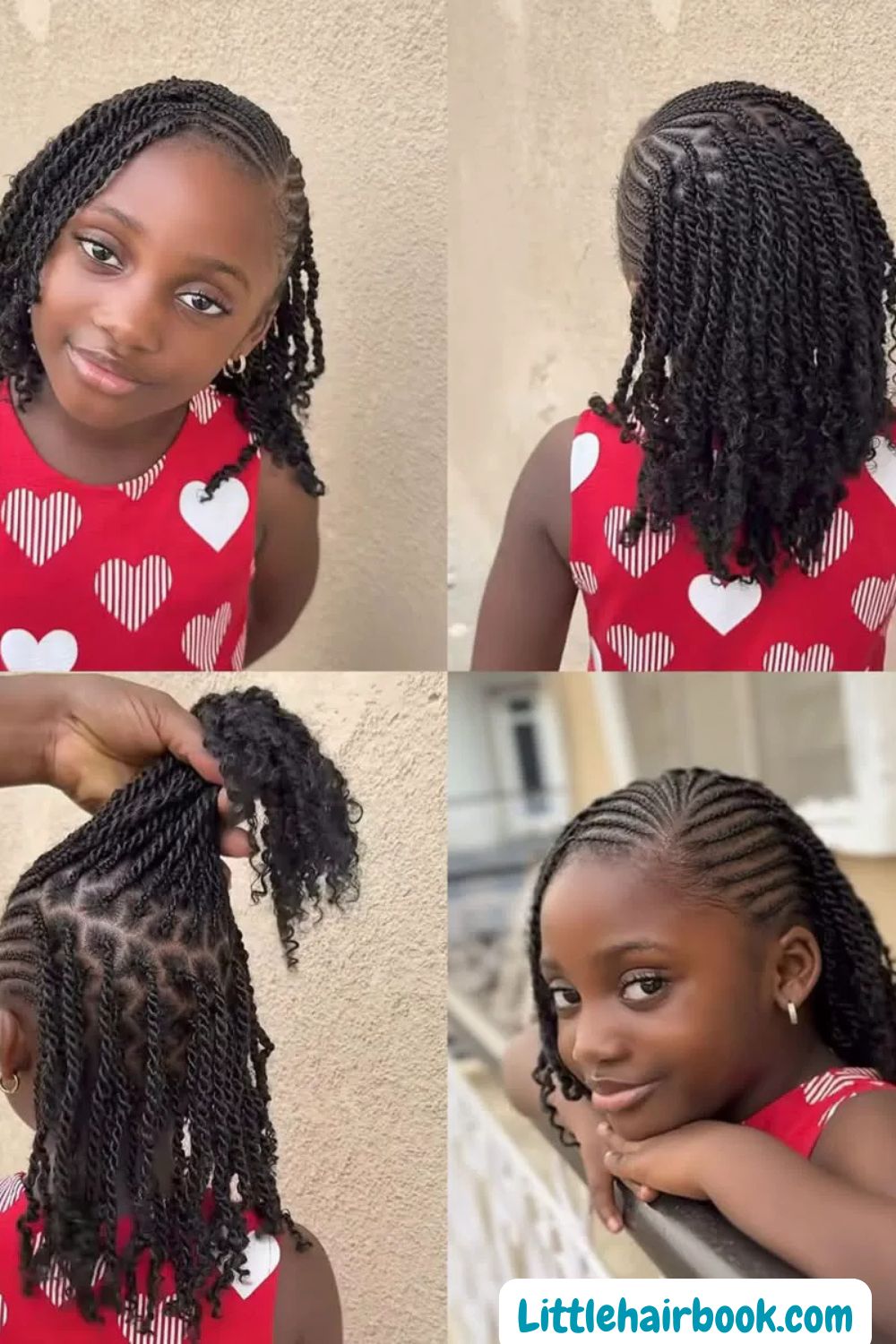
Two strand twists are one of the most popular and practical natural hair school styles because they are genuinely protective, relatively quick to install at home, and versatile enough to style in multiple ways throughout the school week.
What they look like: Individual twists made from two strands of hair twisted around each other from root to tip, sitting throughout the head and hanging or coiling depending on the hair’s natural texture.
How to do them: Section the hair into as many twists as desired. More twists equal a smaller, neater look. Fewer twists equal a chunkier, bolder look. Moisturize each section generously. Divide the section into two equal pieces. Twist them consistently around each other from root to tip maintaining even tension. Secure the end by coiling it around itself or using a tiny elastic.
Why they work for natural hair: Two strand twists work with the natural coil pattern of type 4 hair rather than against it. The twist motion naturally follows the direction the hair wants to go. They last one to two weeks with proper nighttime care and can be worn loose, gathered into puffs and buns, or released after a week into a beautiful twist out.
How to maintain them: Mist lightly with water and apply a small amount of oil to the scalp every two to three days. Cover with a satin bonnet every night. Gather into different styles throughout the week to vary the look without disturbing the twists themselves.
For more on building the right hair care routine around natural hair protective styles to maximize growth and health throughout the school year, children’s hair growth routine on Little Hair Book maps out the full weekly plan that keeps natural hair healthy between style installations.
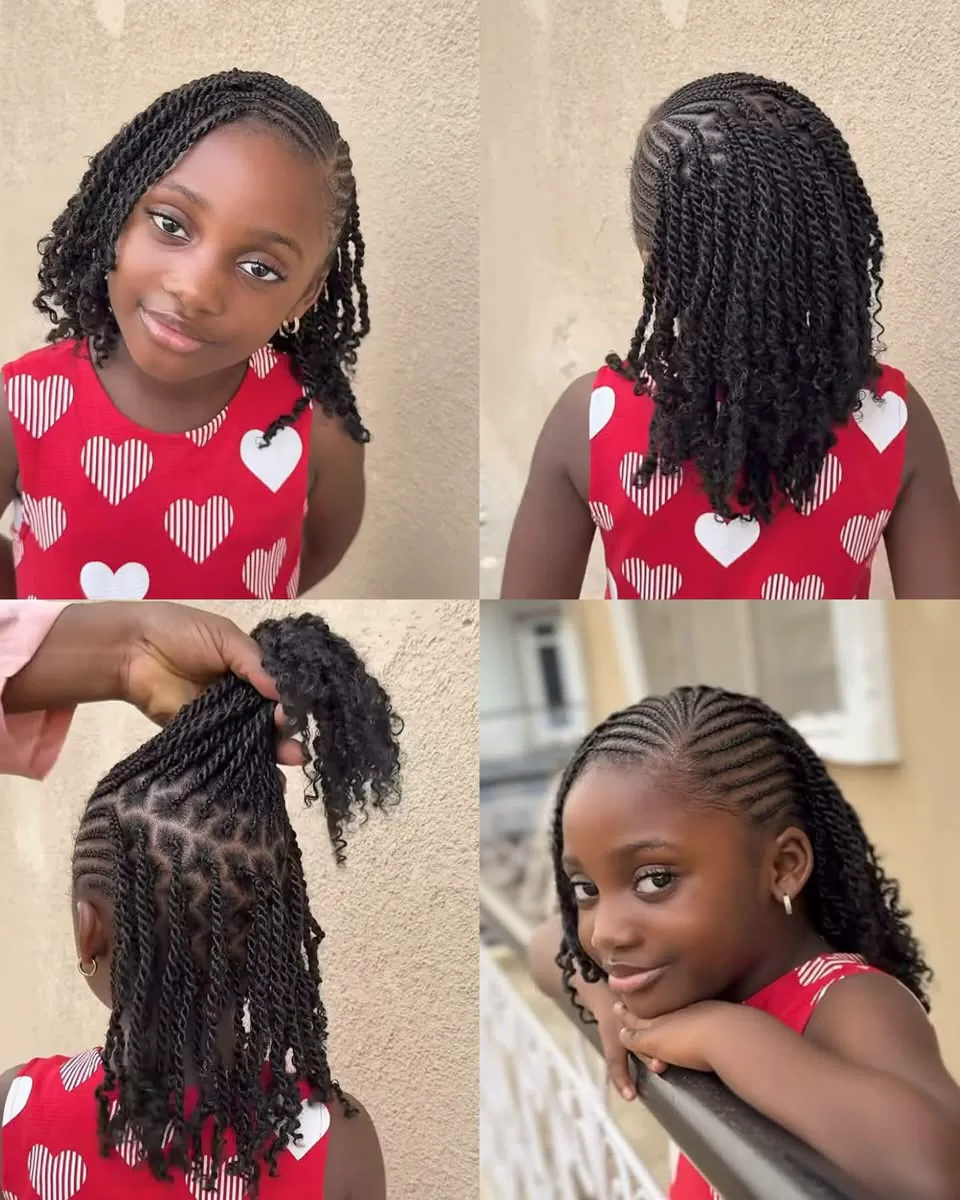
5. Flat Twists Straight Back
Flat twists running straight back from the hairline achieve the same neat, flat-against-the-scalp look as cornrows but with a gentler technique that is easier for parents to learn and practice at home.
What they look like: Neat twists lying flat against the scalp in rows running from the front hairline to the nape, similar in appearance to cornrows but with a slightly rounder, softer texture.
How to do them: Part the hair into rows from front to back. Starting at the front of each row, take a small section of hair and begin flat twisting backward along the scalp. Pick up new sections of hair from the row as you move backward, incorporating them into the twist as you go. Continue to the nape and secure the end with a small elastic.
Why they work for natural hair: Flat twists put less tension on natural hair than cornrows because the twisting motion distributes stress more gently than the braiding motion. For children with very tight type 4 hair that tends to resist cornrowing or whose hairline is sensitive, flat twists offer the same protective and lasting benefits with a gentler technique.
How long they last: Flat twists on natural hair last five to seven days with daily scalp oiling and nightly bonnet protection. They look neat and intentional throughout the school week without any significant daily maintenance.

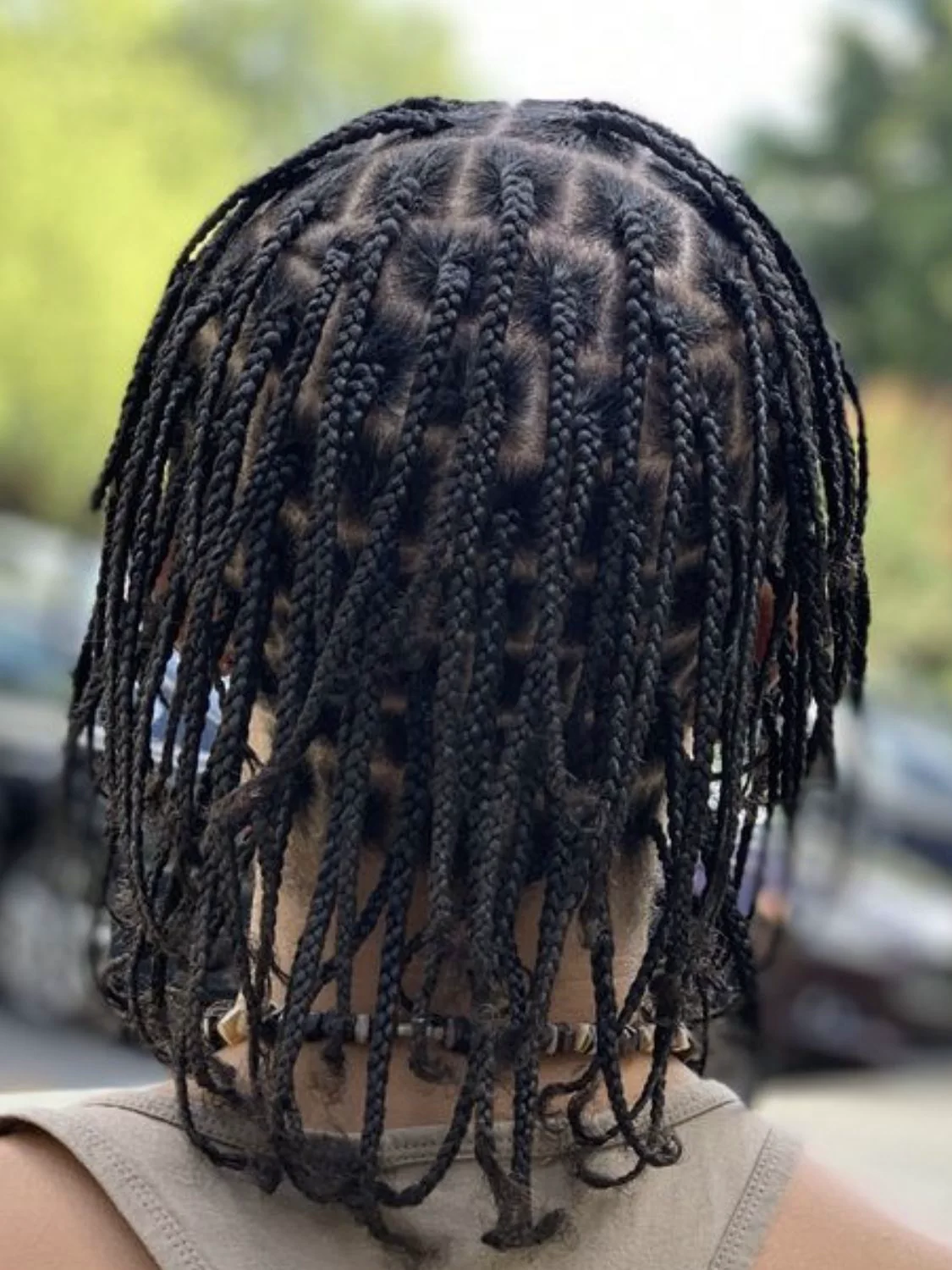
6. Box Braids on Natural Hair
Box braids are one of the most beloved and enduring natural hair school styles and they deserve their own detailed section even though we covered them in earlier posts.
What they look like: Individual braids with neat square-shaped root sections distributed evenly across the head. On natural hair without extensions, box braids showcase the actual length and texture of the natural hair in a neat, defined format.
How to do them on natural hair without extensions: Section the hair into neat squares using a rat tail comb. Moisturize each section generously. Divide each section into three equal pieces and braid from root to tip. Secure the end with a tiny elastic or by coiling the end around itself.
Why they work for natural hair: Box braids on natural hair keep every strand completely protected and contained. The natural hair experiences no friction, no wind exposure, and no daily manipulation while the braids are in. This protection directly translates to length retention that becomes visible when the braids come down.
How long they last: Natural hair box braids without extensions last one to two weeks. With extensions, they can last two to four weeks. The difference is the weight and length of the added hair which helps the braids hang neatly and maintain their shape longer.
7. Bantu Knots
Bantu knots are a beautiful, school-appropriate natural hair style that doubles as a styling tool for the rest of the week.
What they look like: Small, coiled knots distributed across the head. Each knot is made from a section of hair that has been twisted and coiled around its own base. They look neat, defined, and very intentional.
How to do them: Section the hair into equal squares or circles using a rat tail comb. Moisturize each section generously with leave-in conditioner and cream. Twist each section tightly from root to tip. Coil the twisted section clockwise around its base, tucking the end underneath to secure. No elastic is needed if the twist is tight enough.
Why they work for natural hair: Bantu knots are one of the most protective styles for natural hair because both the length and the ends of the hair are completely contained within each knot. Additionally after two to three days in knots, releasing them produces a beautiful Bantu knot out with defined, stretched curls that serves as a completely different style for the rest of the school week.
How to maintain them: Apply oil to the scalp every two to three days. Cover with a satin bonnet every night. After two to three days, release the knots gently by uncoiling each one carefully and separating with fingers for a twist out effect.

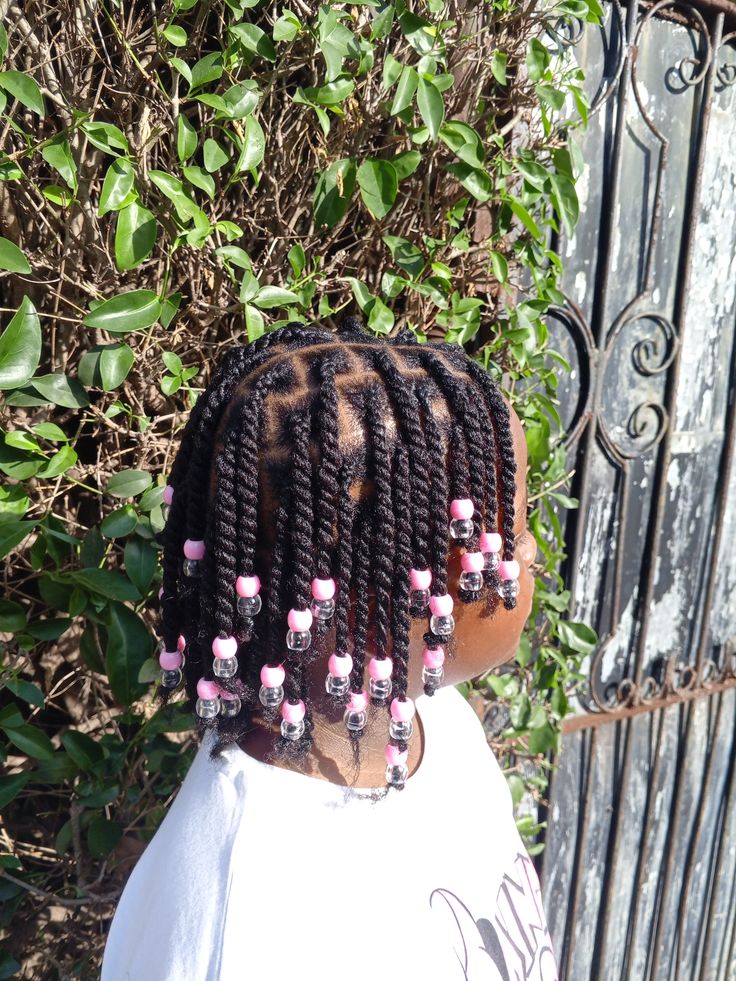
8. Natural Hair With Beads
Adding beads to any natural hair style instantly makes it more celebratory and fun while adding weight to the ends that helps the style hang neatly and reduces how much the hair springs upward from shrinkage.
What it looks like: Any braided or twisted style with colorful beads threaded onto the ends of each braid or twist. The beads add color, movement, and personality to the style.
How to do it: Complete any braided or twisted style as usual. Thread hair beads onto the ends of each braid or twist. Secure by knotting the hair below the bead or using a small elastic above the bead to prevent it from sliding off.
Why it works for natural hair specifically: The weight of the beads pulls the ends of the braids or twists downward which reduces the effect of shrinkage and makes the style look longer and neater. Children with natural hair who wear beads often find that their styles stay neater throughout the school day because the beads prevent the ends from springing up and tangling.
For more on choosing the right products to keep natural hair moisturized and healthy throughout a school week in any of these styles, best hair moisturizers for children on Little Hair Book covers the best moisturizing products for natural hair in detail.
9. Stretched Puff
A stretched puff on natural hair is different from a regular puff because the hair is slightly stretched before being gathered, which reduces shrinkage and creates a bigger, rounder puff.
What it looks like: A large, full puff at the crown of the head made from natural hair that has been slightly stretched to reduce shrinkage. The puff is rounder and appears larger than a puff made from completely unmanipulated natural hair.
How to do it: After washing and moisturizing, allow the hair to begin air drying. While still slightly damp, gather into a puff and secure with a soft scrunchie. As the hair finishes drying in the puff position, it stretches slightly from the weight of the water. Alternatively, apply a small amount of edge control throughout the hair before gathering to help smooth and stretch it slightly.
Why it works for natural hair: The slight stretching reduces the extreme shrinkage that type 4 hair experiences, making the puff appear larger and rounder than it would from completely unmanipulated hair. The style showcases the natural volume and texture of the hair beautifully while keeping it completely contained for school.

10. Mini Braids All Over
Mini braids are smaller than box braids and create a very neat, uniform look that works beautifully on natural hair for school.
What they look like: Small individual braids distributed evenly across the entire head. The smaller size creates a more refined look than chunky box braids while offering the same protective benefits.
How to do them: Section the hair into small, even squares using a rat tail comb. The smaller the sections, the smaller the braids. Moisturize each section. Braid each section tightly from root to tip and secure with a tiny elastic.
Why they work for natural hair: Mini braids last longer than larger box braids because the smaller size means each individual braid experiences less weight and tension at the root. They also create a very neat, uniform look that stays tidy through an entire school week and beyond.
How long they last: Mini braids on natural hair last two to three weeks with proper nighttime care. The smaller size makes them more time-consuming to install but the length of time they last more than compensates for the installation time.

Making Natural Hair School Styles Work Consistently
The key to making any natural hair school style work consistently throughout the school year is treating installation day as seriously as wash day.
Set aside enough time. Natural hair styles take time to do properly. Rushing through the installation leads to uneven sections, tension that is too tight, and a style that falls apart faster than it should. Give yourself the time the style needs and the results will reflect that investment.
Keep the hair moisturized throughout the wear. Even the most protective natural hair style needs moisture maintenance during the week. Part the hair where you can see the scalp and apply a light oil every two to three days. Keep the edges moisturized and smooth daily.
Always take styles down gently. The taking-down process causes as much potential breakage as the installation if it is rushed. Work section by section, using a rat tail comb to loosen ends before unraveling, and follow immediately with a deep conditioning session before reinstalling.
For more on making sure every school style choice actively supports your child’s hair health throughout the school year, how to protect children’s hair on Little Hair Book brings all the protection principles together in one comprehensive guide.