A routine sounds simple until you actually try to build one. You know you need to wash, moisturize, and protect the hair. But when exactly? In what order? How often? What goes on what day? Without answers to these questions, hair care becomes something you figure out as you go rather than something that works consistently for your child’s hair.
The last post we covered on Little Hair Book was signs of healthy children’s hair which gave you the tools to assess whether your child’s hair is thriving. Today we are giving you the actual plan.
A structured day by day growth routine that covers everything from daily maintenance all the way through to wash day and beyond.
Why a Growth Routine Is Different From a Regular Routine
A regular hair care routine keeps the hair clean and presentable. A growth routine does that and more. It is specifically designed around the things that support length retention, scalp health, and strong hair production.
Every step in a growth routine has a purpose tied directly to either preventing breakage, adding moisture, protecting the hair, or nourishing the follicles. Nothing is random or is done just out of habit. Each step earns its place because it contributes to visible, measurable hair growth over time.
Building this kind of intentional routine takes a little more thought upfront. Once it is in place though, it runs almost on autopilot. You know exactly what to do each day and in what order. The guesswork disappears and the results follow.
For guidance on the habits that support this routine from day to day, healthy hair habits for kids on Little Hair Book covers all the daily practices that make a growth routine work long term.

Before You Start — Know Your Child’s Hair Type
Building an effective growth routine starts with knowing what kind of hair you are working with. The routine framework is the same for every hair type but the products, frequency, and techniques change significantly depending on the hair.
Straight hair produces natural oils that travel down the shaft easily. It needs lighter products and more frequent washing.
Natural and coily hair loses moisture rapidly and needs heavier products, protective styles, and less frequent washing. Curly hair sits between both extremes and needs a balanced approach.
Take a few minutes to honestly assess your child’s hair type before you build the routine. Look at the natural texture when the hair is washed with no products and air dried completely.
That natural state tells you everything you need to know about what kind of routine will serve the hair best.
If your child has natural hair and you need a deeper understanding of what that hair specifically needs to grow well, how to care for natural children’s hair on Little Hair Book gives you that foundation clearly.
Sunday (Wash Day)
Sunday works well as wash day for most families. There is more time, less rushing, and the hair gets a fresh start before the week begins.
Here is the full wash day flow for a growth-focused routine.
Pre-poo first: If you applied oil the night before, great. If not, apply it now and leave it on for at least thirty minutes before washing. Coconut oil or olive oil work well for this.
Detangle before water touches the hair: Work through the hair section by section using fingers first and then a wide-tooth comb. Start from the ends always.
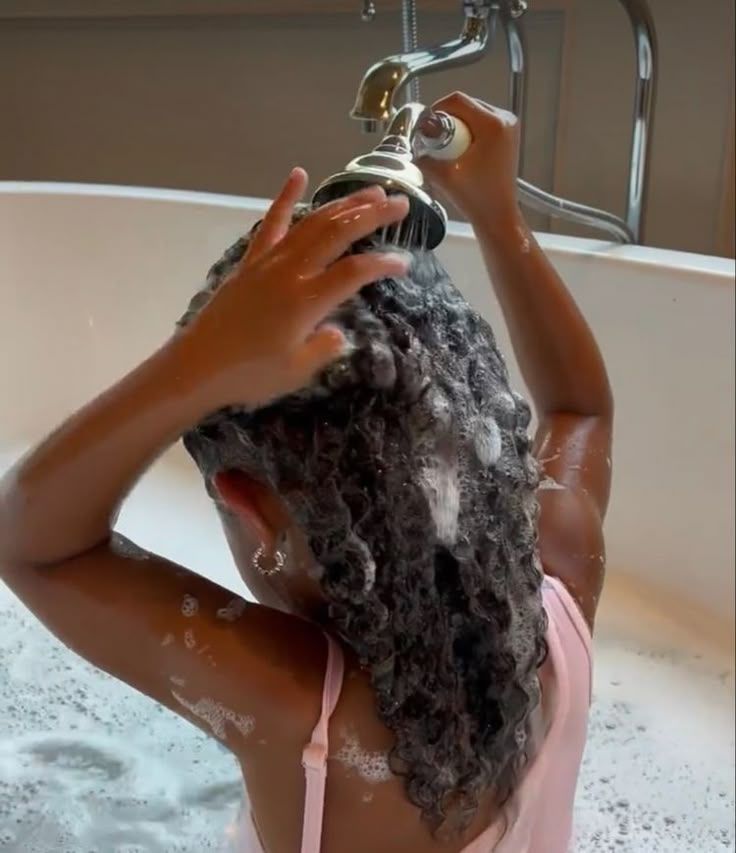
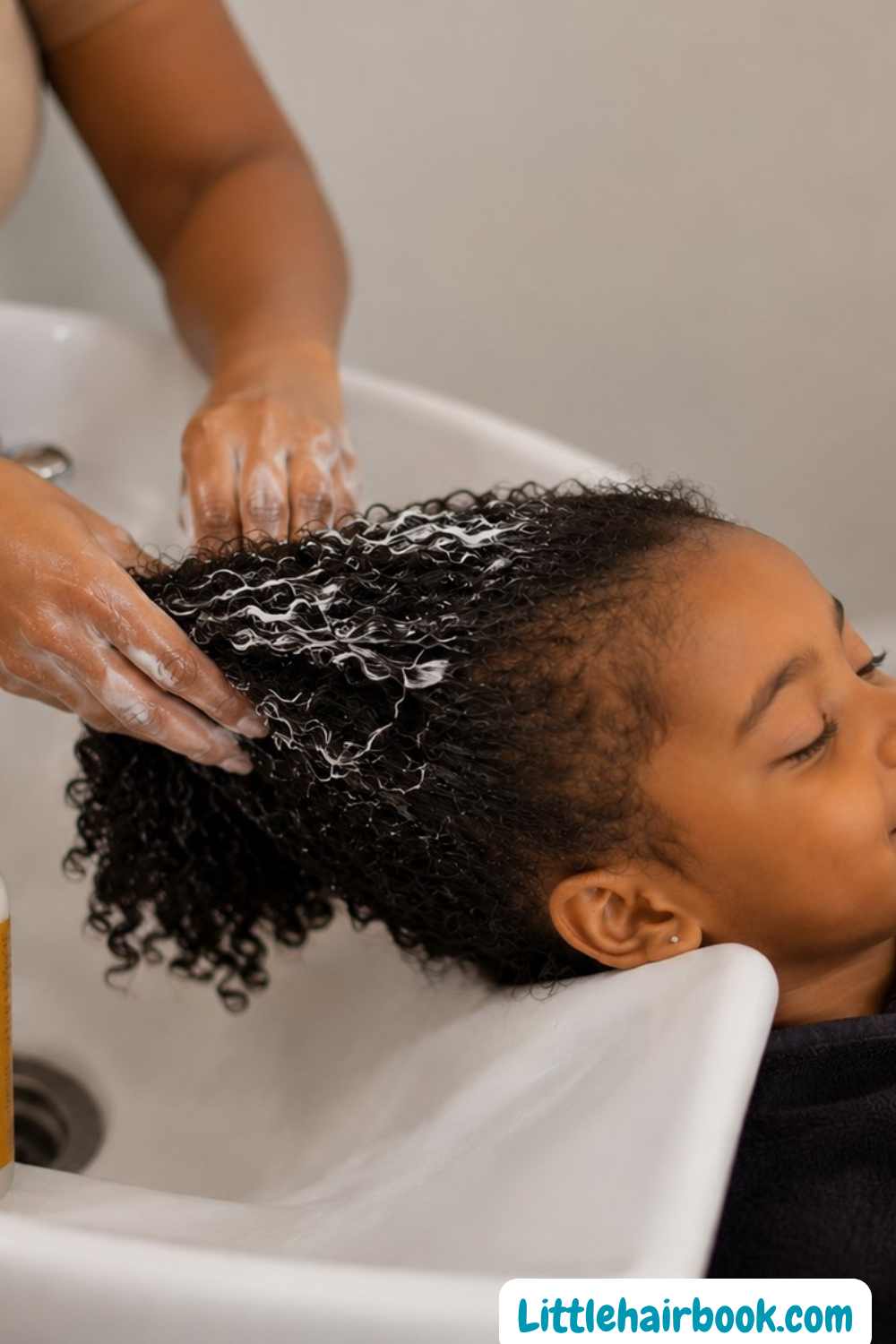
Shampoo the scalp: Apply a gentle sulfate-free shampoo directly to the scalp. Massage with fingertip pads in circular motions. Let the lather rinse down through the hair naturally.
Deep condition without skipping: Apply generously from mid-length to ends. Cover with a plastic cap. Leave on for at least thirty minutes. Use heat if possible.
Moisturize and seal immediately after rinsing: Apply leave-in conditioner to damp hair. Follow with oil. Finish with cream for natural and curly hair types.
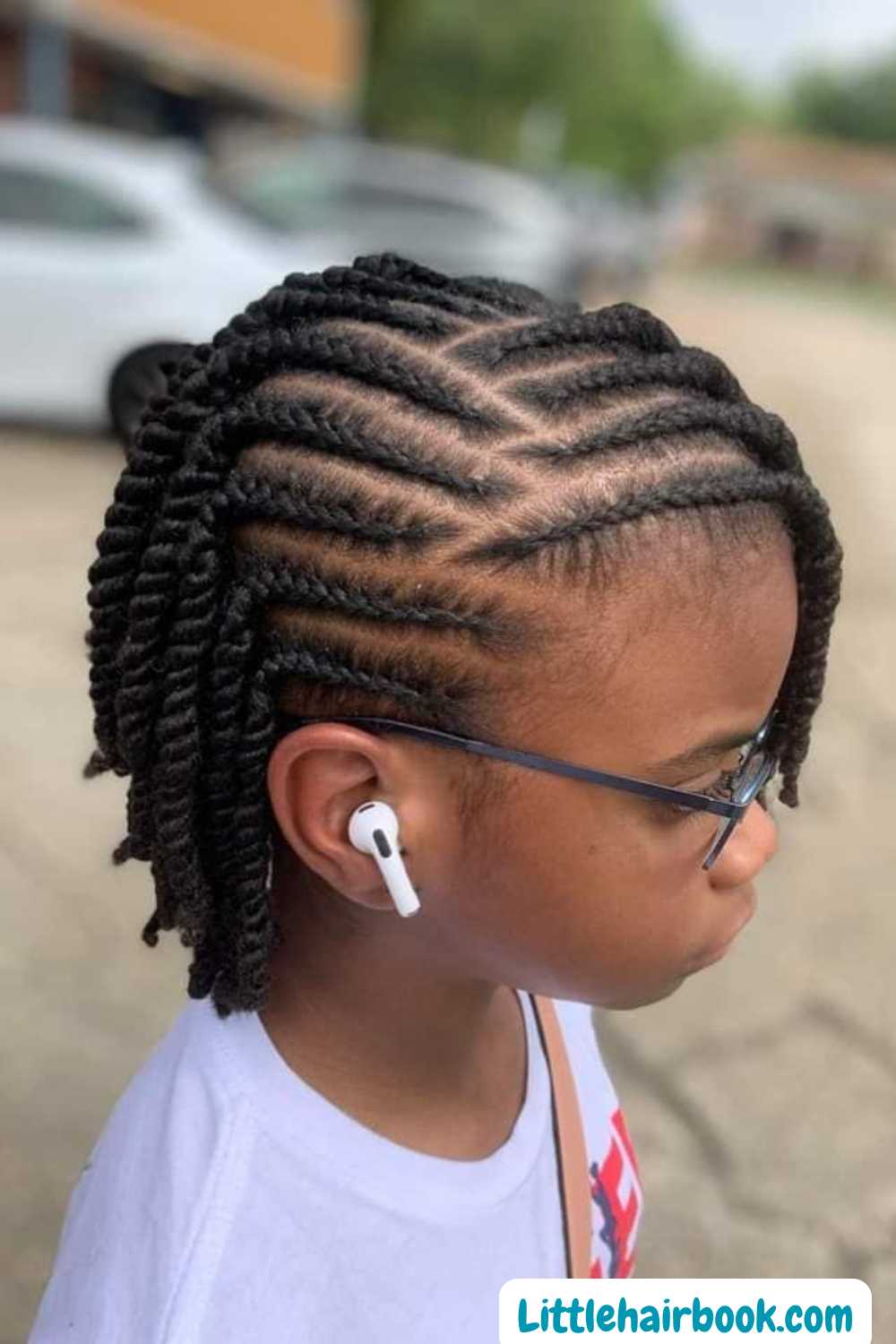
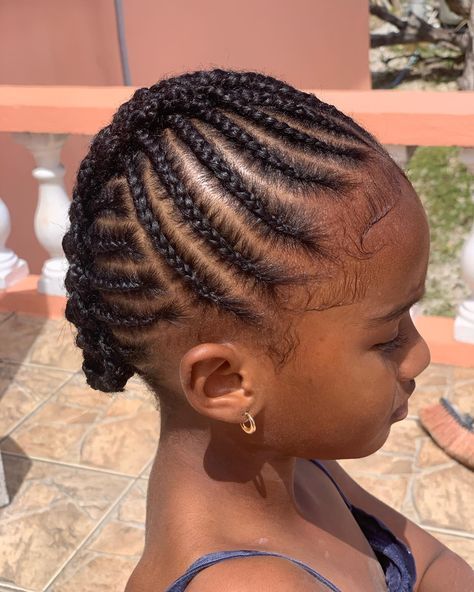
Style into a protective style: Braids, twists, or cornrows that will last through the week. Keep the style loose enough to be comfortable.
You will need this: Best Shampoo for Children
Monday (Post Wash Day Check)
The hair was freshly washed and styled yesterday. Monday morning should be straightforward and quick.
Check the style in the morning. Look for any sections that came loose overnight. Smooth the edges with a soft bristle brush and a little edge control. Mist any dry areas with water and apply a small amount of leave-in conditioner.
Put the satin bonnet on at bedtime without fail. The first few nights after wash day are the most important for locking in the moisture from Sunday’s routine.
Do a quick scalp check in the evening. The scalp should still feel clean and balanced from yesterday’s wash. Apply a very small amount of light oil to any areas that feel dry already.
You need to see this: How to Brush Children’s Hair

Tuesday (Light Moisture Refresh)
By Tuesday the hair may be holding up well or may need a light refresh depending on how quickly your child’s hair loses moisture.
How to Do the Tuesday Refresh
Run your fingers through the hair or over the protective style. Does it still feel soft and moisturized? If yes, leave it alone and just make sure the bonnet goes on at night.
If the hair feels dry or the style looks a little frizzy and rough, do a quick refresh. Mist the hair lightly with water from a spray bottle.
Apply a small amount of leave-in conditioner or hair cream to any sections that feel dry. Smooth the edges and re-secure any loose sections of the protective style.
The Tuesday refresh takes five minutes maximum. The goal is just to maintain the moisture from wash day rather than starting the whole moisturizing process from scratch.
For children with natural and coily hair, Tuesday will almost always need at least a light refresh. This hair type loses moisture faster than any other and needs more frequent replenishment to stay healthy between wash days.
Pin this post: Best Leave-In Conditioner for Children
Wednesday (Scalp Care Day)
Wednesday is the day to give the scalp focused attention. By midweek the scalp has been producing natural oils and absorbing products for several days. A little intentional scalp care now keeps it healthy and nourished through the rest of the week.
Part the hair in sections and apply a light oil directly to the scalp. Jojoba oil, sweet almond oil, or a diluted rosemary oil blend all work well. Apply small amounts along each part using your fingertips or a dropper bottle.
Massage the oil into the scalp using the pads of your fingers in small circular motions. Spend at least three to five minutes on this. Cover the whole scalp from the front hairline to the nape of the neck.
This scalp massage stimulates blood circulation and brings more oxygen and nutrients to the hair follicles. Done consistently two to three times a week, it supports measurably better hair growth over time.
Check the edges during Wednesday scalp care. The hairline should still look full and healthy. Apply a small amount of oil specifically to the edges and massage very gently. Keep this area nourished consistently throughout the week.
For more on how scalp care connects directly to hair growth results, children’s hair growth tips on Little Hair Book covers all the growth-focused habits that work alongside scalp care.

Thursday (Midweek Moisture Check)
Thursday is the midpoint between wash days and the perfect time to do a proper moisture assessment. The hair has been through half the week. How is it holding up?
Feel the hair along its length. Check the ends specifically. Ends dry out faster than the rest of the hair and they need extra attention by midweek.
If the hair feels reasonably soft still, a light refresh is enough. Mist with water, apply a small amount of leave-in or cream, and re-smooth the edges.
If the hair feels dry and rough, do a more thorough moisture session. Mist generously section by section. Apply leave-in conditioner, seal with oil, and follow with cream for natural and curly hair. This fuller Thursday refresh resets the moisture levels and carries the hair through to wash day.
save this for later: Best Hair Moisturizers for Children
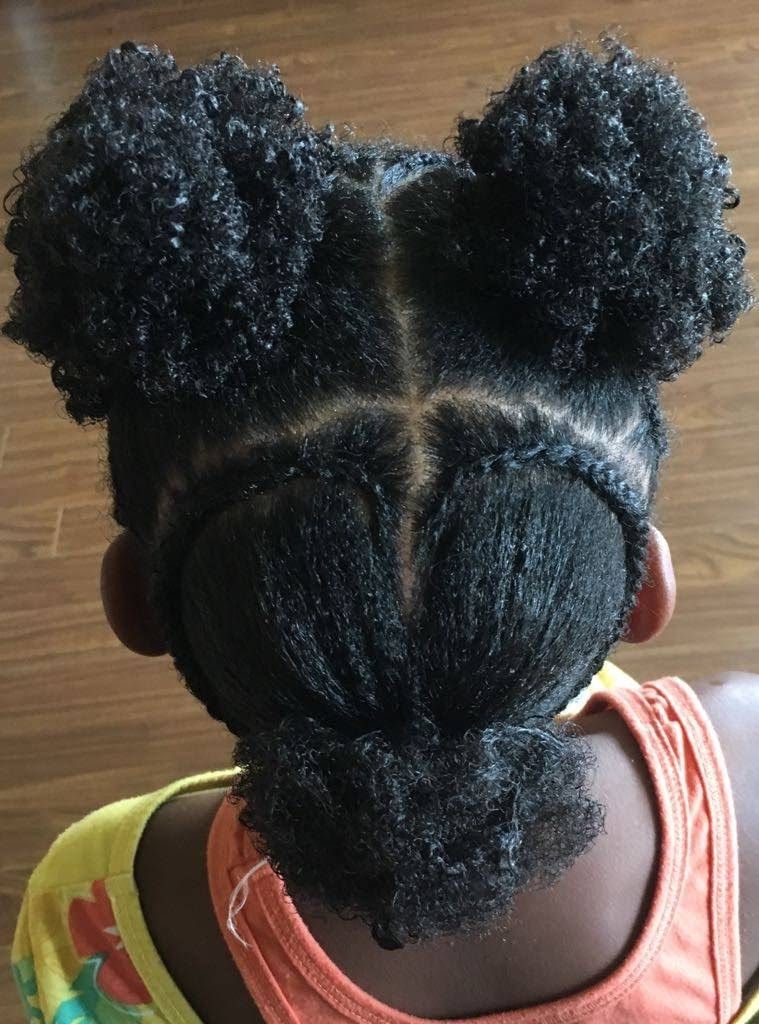
Checking for Buildup on Thursday
Also check the scalp on Thursday for any sign of buildup. If the scalp feels itchy or looks flaky despite the Wednesday oiling, it may be accumulating product buildup faster than usual.
Make a note to use a clarifying shampoo on the next wash day.
Check the style itself on Thursday. If it is starting to look very rough or feel very tight, it may be time to take it down and redo it rather than waiting until Sunday wash day.
A style that has become uncomfortable is doing more harm than good at that point.
Friday (Pre-Wash Day Preparation)
Friday evening is for preparing the hair for Sunday wash day. This step makes a dramatic difference in how smoothly wash day goes.
Start by taking down the protective style carefully. Work section by section. Use a rat tail comb to loosen the ends of each braid or twist before unraveling it. Never pull or rip a style out. Take your time even if it feels tedious.
Once the style is down, detangle the hair while it is still dry. Work section by section using fingers first then a wide-tooth comb.
Starting from the ends always. Hold the hair above where you are combing throughout.
After detangling, apply your pre-poo treatment generously to every section. Coconut oil, olive oil, or a store-bought pre-poo product all work well. Cover the hair with a plastic cap and leave it overnight.
This overnight pre-poo treatment is one of the most impactful steps in the growth routine. The oil penetrates the hair shaft overnight and creates a protective barrier that prevents the shampoo from stripping too much moisture during Sunday’s wash.
Saturday (Rest Day)
Saturday is a rest day for the hair. The pre-poo is doing its work overnight. Your job today is simply to leave the hair alone.
Do not manipulate the hair unnecessarily. If a section is bothering your child, secure it gently with a loose braid or a soft scrunchie. But avoid restyling, detangling, or adding more products on top of the pre-poo.
Use Saturday to restock anything you are running low on. Check your shampoo, deep conditioner, leave-in conditioner, oil, and cream.
Running out of a product mid-routine leads to skipping steps which leads to gaps in the routine that cost the hair its health and growth.
Also use Saturday to think about what style you want to put the hair in after Sunday’s wash. Planning ahead means you are not making decisions on the fly during wash day when you are already tired from the washing and conditioning process.
For more on how to choose the right products to restock for your child’s specific hair type and needs, best hair moisturizers for children on Little Hair Book covers the best moisturizing products that should always be in your stash.

Monthly Growth Routine Additions
Beyond the weekly routine, a growth-focused routine also includes monthly steps that support long term hair health and growth.
Clarify once a month: Use a clarifying shampoo on the first wash day of every month to remove the product buildup that accumulates over weeks of regular product use. Follow immediately with a deep conditioner.
Trim every six to eight weeks: Mark this on your calendar and treat it like an appointment. Remove split ends before they travel up the shaft and cause breakage higher up the hair.
Protein treatment every four to six weeks: Apply a protein treatment or protein-rich deep conditioner once every month or two to strengthen the hair shaft and reduce breakage.
Balance protein treatments with moisturizing treatments so the hair gets both in the right amounts.
Take progress photos monthly: Photograph the hair in a stretched or blown out state on the same day each month.
These photos give you a clear and motivating record of growth over time that is impossible to see when you are looking at the hair every single day.

Adjusting the Routine as the Hair Changes
No routine stays exactly the same forever. Your child’s hair needs change with age, seasons, and circumstances. A routine that works perfectly in summer may need adjusting in winter when the air is drier and the hair loses moisture faster.
A routine that worked for a toddler may need updating for a school-age child whose hair has grown thicker and longer.
Pay attention to how the hair responds to the routine over time. If the hair is consistently dry by Tuesday despite a thorough wash day routine, increase the frequency of moisture refreshes or switch to heavier sealing products.
If the hair is responding well and looking healthy, keep doing what you are doing.
The routine is a framework not a rigid prescription. Use it as your guide and adjust the details based on what your child’s hair tells you. Hair is very communicative when you know what to look for.
It tells you when it needs more moisture, when it needs protein, when the products are not working, and when everything is exactly right.
For more on how to prevent the breakage that disrupts growth even with a solid routine in place, how to prevent hair breakage in children on Little Hair Book covers every cause of breakage and the specific steps to eliminate each one.

